Introduction
The bright scent of freshly grated lemon zest mingles with warm butter as the oven timer dings, promising a bite that feels like a summer soirée on the West Egg. This great gatsby lemon cake captures the opulent yet playful spirit of the Roaring Twenties while staying firmly in the realm of a weeknight treat. Light, buttery crumb meets a subtle tang that awakens the palate without overwhelming it, delivering a cake that feels both refined and comforting.
[tasty-recipe id=”9900″]
Imagine a cake with a tender, melt‑in‑the‑mouth interior, a delicate crumb that yields to a soft, citrus‑kissed bite, and a glossy glaze that catches the light like champagne bubbles. The top boasts a faintly caramelized edge that adds a whisper of crunch, while the interior stays moist and fragrant. The aroma of lemon and vanilla fills the kitchen, inviting friends and family to gather around the table.
This recipe works beautifully for home bakers who crave a touch of elegance without the need for specialized equipment. Beginners will appreciate the straightforward mixing method, while seasoned cooks can enjoy the subtle technique of chilling the batter for optimal texture. Scroll down to the ingredients and discover how a handful of pantry staples can create a cake worthy of a Gatsby‑era celebration.
Ingredients
- 1 ½ cups all‑purpose flour – provides structure; use gluten‑free blend for GF version
- 1 cup granulated sugar – adds sweetness and helps tenderize; replace with coconut sugar for deeper flavor
- ½ cup unsalted butter, softened – creates richness and aerates batter; use equal amount of margarine if dairy‑free
- 2 large eggs – bind ingredients and add moisture; use 2 × ¼‑cup applesauce for vegan
- ½ cup whole milk – hydrates dry ingredients; substitute oat milk for dairy‑free
- 2 tbsp fresh lemon juice – brightens flavor and reacts with soda; use bottled lemon juice if fresh unavailable
- 1 tbsp lemon zest – intensifies citrus aroma; omit if zestless lemons only
- 1 tsp vanilla extract – rounds out sweetness; use almond extract for a nutty twist
- 1 tsp baking powder – leavens the cake; ensure it’s fresh for maximum rise
- ½ tsp baking soda – creates lift with acid; omit if using only baking powder
- ¼ tsp salt – enhances overall flavor; use sea salt for subtle crunch
- 1 cup powdered sugar – forms glaze; add a pinch of cornstarch to prevent clumping
- ½ tsp lemon zest – adds zing to glaze; increase to 1 tsp for stronger citrus
This precise combination balances fat, acid, and leavening to produce a cake that is tender, fragrant, and perfectly risen.
Step‑by‑Step Instructions
Preparation
- Preheat oven to 350°F / 175°C and line a 9‑inch round cake pan with parchment; the pan should be lightly greased for easy release.
- Whisk together flour, baking powder, baking soda, and salt in a medium bowl; set aside until needed (do not overmix).
- In a large mixing bowl, beat softened butter and granulated sugar on medium speed until pale and fluffy, about 3 minutes; (Do not overbeat – excess air can cause collapse).
- Add eggs one at a time, beating briefly after each addition; the mixture should become glossy and smooth.
- Stir in vanilla extract, lemon juice, and lemon zest until just incorporated.
- Gradually add the dry ingredient mixture, alternating with milk, beginning and ending with flour; mix until no streaks remain (stop when batter is just combined).
- Cover the bowl with plastic wrap and chill batter in the refrigerator for 30 minutes; this firms the butter and improves crumb texture.
Cooking
- Remove chilled batter and give it a quick stir to loosen edges; the batter should be pourable but still thick.
- Pour batter into prepared pan, smoothing the top with a spatula; tap pan gently on the counter to release air bubbles.
- Bake for 25‑30 minutes, or until a toothpick inserted near the center emerges with a few moist crumbs and the top is lightly golden brown (edges should turn deep golden brown).
- Allow cake to cool in the pan for 10 minutes, then turn onto a wire rack to cool completely; this prevents soggy bottom.
Assembly
- While cake cools, whisk powdered sugar with remaining ½ tsp lemon zest and 1‑2 tbsp milk (or additional lemon juice) until smooth and glossy; the glaze should drizzle slowly.
- Once the cake is completely cool, drizzle glaze over the top, allowing it to pool at the edges and set; the glaze will create a subtle sheen.
- Let the glaze set for 5 minutes before slicing; this ensures clean cuts without smearing.
Serving
- Slice the cake into 8 even wedges; each slice should reveal a moist, tender crumb with a glossy lemon glaze.
- Serve at room temperature, optionally paired with a dollop of lightly sweetened whipped cream or a scoop of vanilla ice cream for extra indulgence.
The great gatsby lemon cake is ready when the glaze has set to a satin finish and the interior springs back gently to the touch.
Why This Recipe Works
Chilling the batter before baking allows the butter to solidify, which in turn slows gluten development during mixing. This results in a tender crumb rather than a tough, rubbery texture. The combination of baking powder and baking soda provides a two‑stage leavening: the powder creates lift throughout the bake, while the soda reacts quickly with the fresh lemon juice to give an initial burst of rise, producing a light, airy structure.
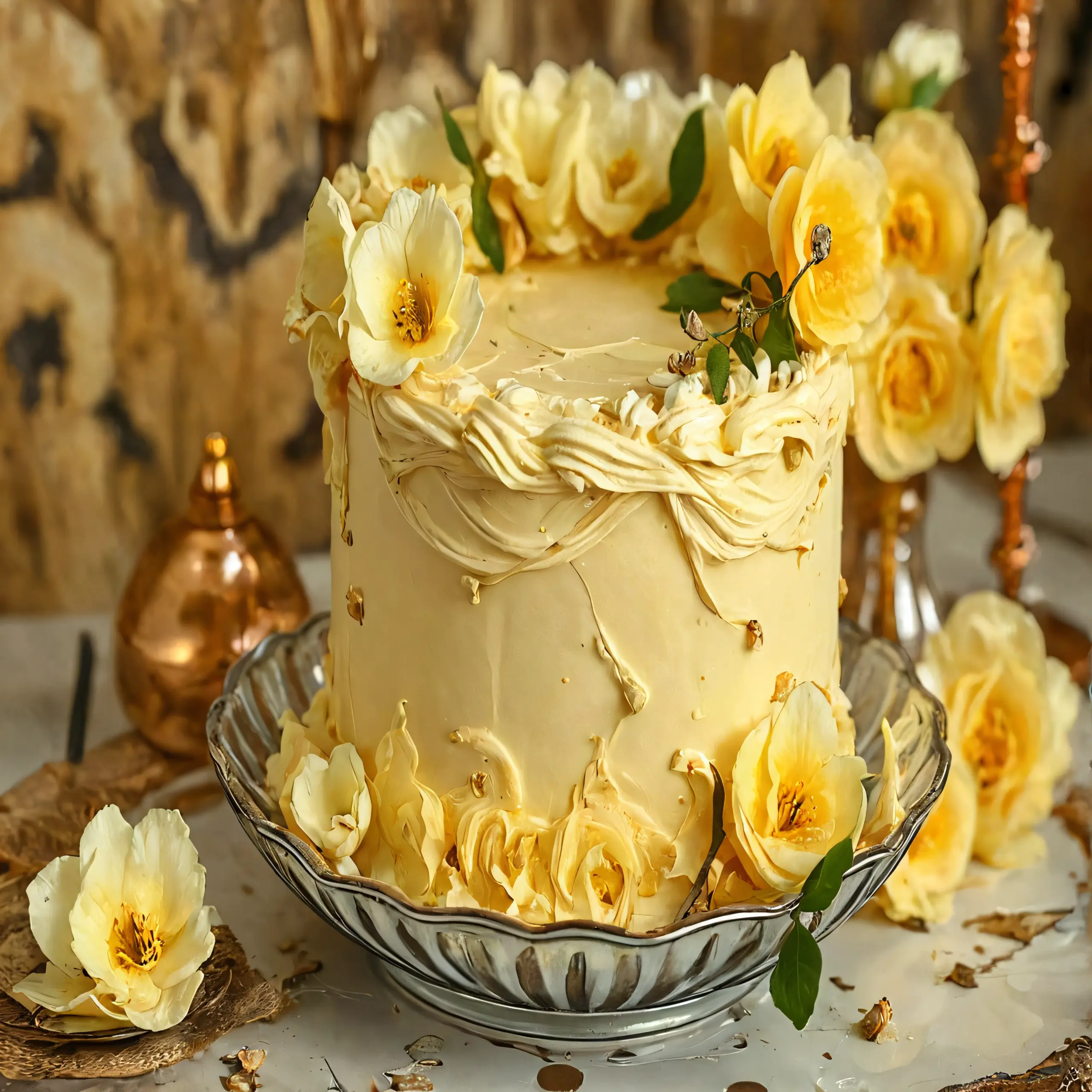
The acidic lemon juice also strengthens the batter’s ability to hold air bubbles, preventing the cake from collapsing as it cools. Incorporating lemon zest both in the batter and the glaze maximizes volatile oil release, delivering a bright citrus aroma that persists after baking. Finally, the powdered sugar glaze sets quickly because the fine sugar dissolves fully with a small amount of liquid, creating a glossy finish without weighing down the delicate crumb.
Tips for Reliable Results
- If the batter appears too thick after chilling, let it sit at room temperature for 5 minutes; overly cold batter can crack when poured.
- When beating butter and sugar, stop as soon as the mixture is pale and fluffy; over‑beating creates excess air that can cause the cake to sink.
- Ensure the oven is fully preheated; an under‑heated oven leads to uneven rise and a dense interior.
- Use a kitchen scale for the flour if possible; measuring by weight prevents a packed cup, which would make the cake heavy.
- If the glaze is too runny, add powdered sugar one tablespoon at a time until the desired consistency is reached; a thin glaze will slide off the cake.
- For a crispier edge, increase baking time by 2‑3 minutes; watch closely to avoid over‑browning.
- Make‑ahead tip: bake the cake up to step 11, then wrap tightly in plastic and refrigerate for up to 2 days; add glaze just before serving.
- Storage: keep glazed cake in an airtight container at room temperature for 3 days or refrigerate for up to 5 days; bring to room temperature before slicing for optimal texture.
Variations
- Lavender Lemon Cake – replace 1 tsp vanilla extract with 1 tsp culinary lavender buds, finely ground; the floral notes complement the citrus, creating a sophisticated flavor profile.
- Berry‑Swirl Lemon Cake – fold ½ cup fresh raspberries or blueberries into the batter after step 6; the berries add bursts of juicy sweetness and a speckled appearance.
- Gluten‑Free Lemon Cake – substitute the all‑purpose flour with a 1‑to‑1 gluten‑free blend that contains xanthan gum; the texture remains tender, and the cake rises well.
- Vegan Lemon Cake – replace butter with equal‑weight coconut oil, eggs with flax‑egg (2 tbsp ground flaxseed + 6 tbsp water, set 5 minutes), and milk with almond milk; the result is a moist cake with a bright lemon punch.
Time and Yield
Prep time: 15 minutes
Cook time: 30 minutes
Cooling/rest time: 20 minutes
Total time: 65 minutes
Yield: 8 servings
Frequently Asked Questions
Can I use bottled lemon juice instead of fresh?
Yes, bottled lemon juice works, but fresh juice provides brighter flavor and more aromatic oils. If using bottled, add an extra teaspoon of zest to compensate for the loss of fresh aroma.
Why did my cake turn out dense and heavy?
A common cause is over‑mixing after adding the flour, which develops gluten. Mix only until the dry ingredients are just incorporated, and ensure the butter is softened, not melted, to maintain proper aeration.
How long can the glazed cake be stored?
The cake stays fresh in an airtight container at room temperature for up to three days. For longer storage, refrigerate for up to five days; bring to room temperature before serving to restore softness.
Can I substitute the powdered sugar glaze with a cream cheese frosting?
A cream cheese frosting will change the flavor profile dramatically, adding tanginess and richness. If you prefer that texture, use a light coating of cream cheese frosting and reduce the powdered sugar glaze to a thin drizzle.
Is it possible to make this cake in a muffin tin?
Yes, divide the batter evenly among 12‑cup muffin tins and bake for 18‑20 minutes. The result will be individual lemon cake bites with a slightly higher crust-to‑interior ratio.
Conclusion
The great gatsby lemon cake succeeds because each element—from chilled batter to balanced leavening—has a purpose, delivering a tender crumb and a luminous glaze that echo the glamour of the Jazz Age. While the core recipe stands strong on its own, the suggested variations invite experimentation, allowing bakers to tailor flavor and texture to personal preference. Serve these cakes at a brunch, an afternoon tea, or a festive gathering, and let the bright citrus notes transport guests to a world of elegance and indulgence.