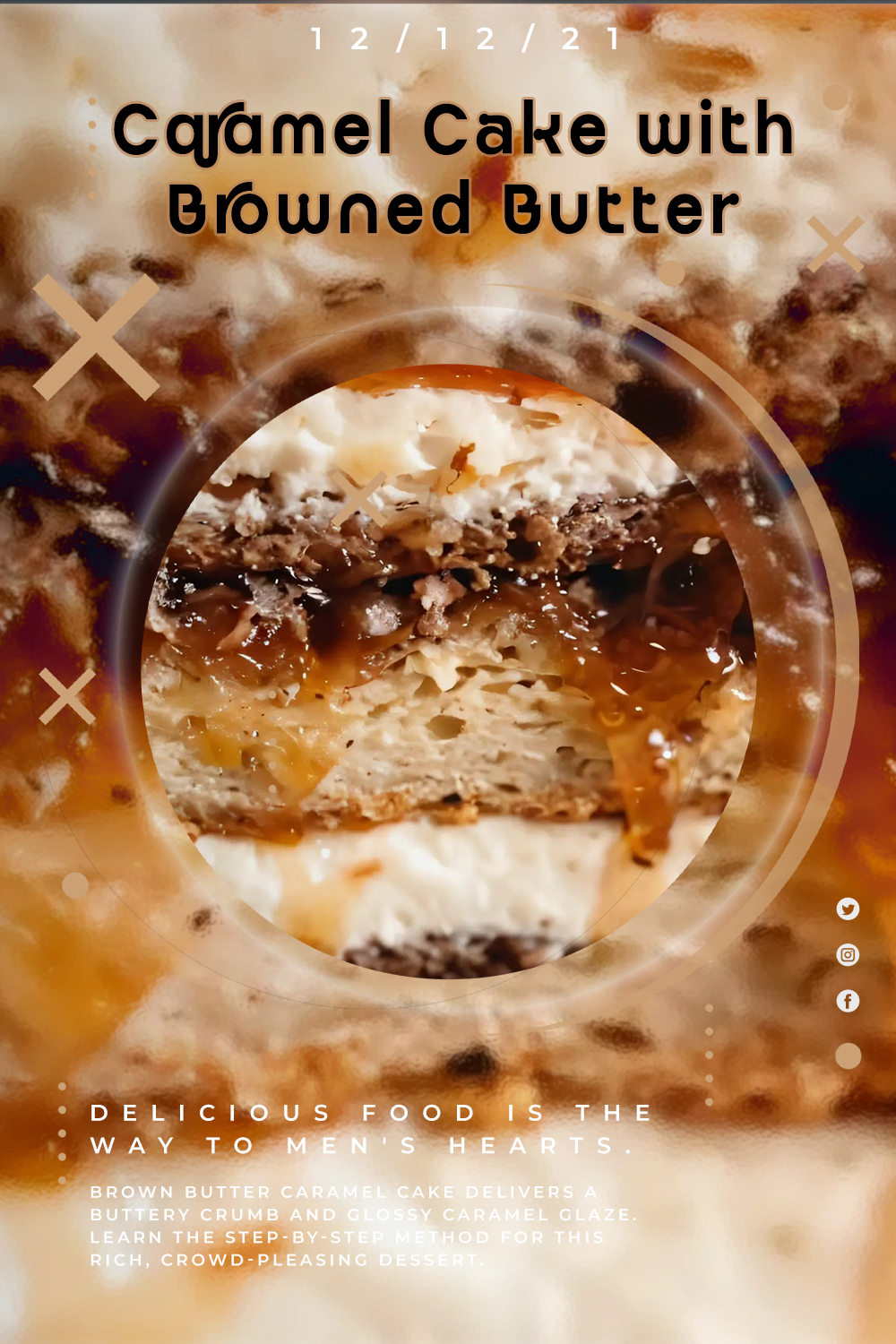
Caramel Cake with Browned Butter
When the kitchen fills with the nutty aroma of browned butter melting into a pool of golden caramel, the anticipation of a tender crumb and silky glaze begins. This cake delivers a buttery richness that balances the deep, toffee‑like sweetness of caramel, making it perfect for a weekend celebration or a cozy family dessert.
[tasty-recipe id=”9845″]
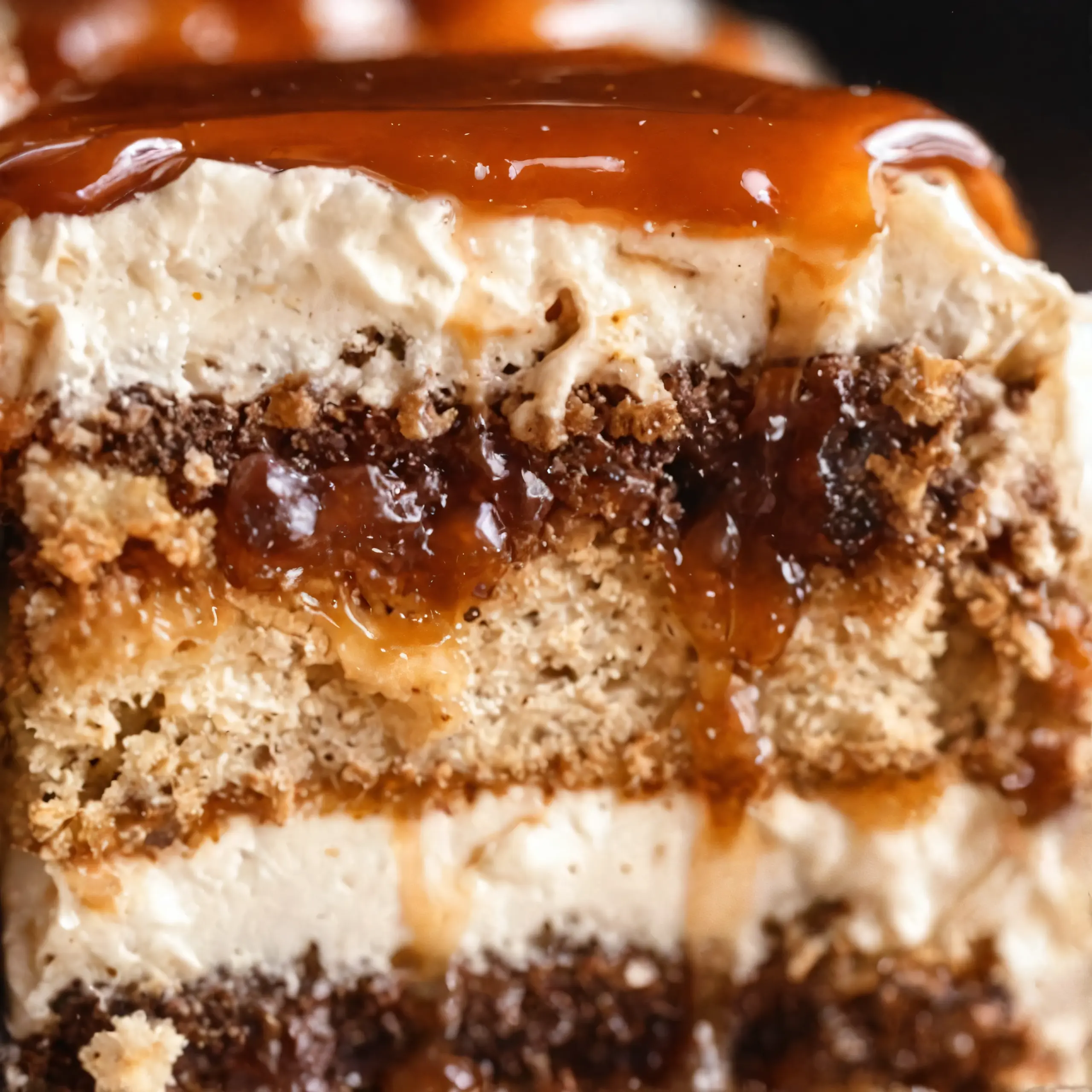
The cake’s crumb stays moist thanks to the combination of oil and buttermilk, while the caramel topping adds a glossy, buttery finish that catches the eye. Beginners will appreciate the straightforward mixing method, and seasoned bakers will enjoy the nuanced flavor that only browned butter can provide. Scroll down to see the exact ingredients that create this harmonious dessert.
Ingredients
- 3 cups cake flour – builds tender structure; all‑purpose flour works but texture changes
- 2 tsp baking powder – leavens batter; omit if using self‑rising flour
- 1 tsp fine sea salt – enhances flavor; kosher salt as substitute
- ½ cup unsalted butter (to be browned) – adds nutty depth; use clarified butter for higher smoke point
- ½ cup vegetable oil – keeps crumb moist; can substitute with melted coconut oil
- 1 cup granulated sugar – sweetens evenly; light brown sugar adds moisture
- ½ cup packed dark brown sugar – provides caramel notes; use molasses‑rich brown sugar
- 4 large eggs (room temperature) – binds and lifts; large duck eggs give richer color
- 1 Tbsp vanilla essence (or paste) – deepens flavor; vanilla bean seeds as premium option
- 1 tsp rum extract (optional) – subtle warmth; omit for a cleaner taste
- 1⅓ cups whole buttermilk – tenderizes crumb; make a substitute with milk + lemon juice
- 1 cup packed dark brown sugar – forms caramel topping; use turbinado sugar for crunch
- ½ cup unsalted butter – enriches caramel; use browned butter for deeper flavor
- ½ tsp fine sea salt – balances sweetness in caramel; omit if using salted butter
- 1 cup heavy whipping cream – creates glossy glaze; half‑and‑half works but less shine
- 1 tsp vanilla essence (or paste) – finishes caramel flavor; use bourbon vanilla
This precise blend of flours, fats, and sugars creates a cake that stays moist, rises evenly, and pairs perfectly with a buttery caramel glaze.
Step‑by‑Step Instructions
Preparation
- Heat a medium saucepan over medium heat, melt ½ cup butter until it turns amber and releases a nutty scent (Do not let it burn – over‑browning creates bitterness).
- Mix 1 cup granulated sugar and ½ cup dark brown sugar in a large bowl; whisk until combined.
- Fold 4 eggs into the sugar mixture, beating until the blend lightens in color and volume.
- Add 1 Tbsp vanilla essence and 1 tsp rum extract if using; stir until just incorporated.
- Combine 3 cups cake flour, 2 tsp baking powder, and 1 tsp fine sea salt in a separate bowl; set aside.
- Preheat oven to 350°F / 175°C; position a rack in the middle of the oven.
Cooking
- Heat ½ cup vegetable oil and 1⅓ cups buttermilk together until warm (do not boil).
- Gradually pour the warm liquid into the egg‑sugar mixture, whisking constantly until the batter is smooth and glossy.
- Gently fold the dry flour mixture into the wet batter using a spatula; stop when no streaks remain (Overmixing develops gluten and makes the cake tough).
- Pour the batter into a greased 9‑inch round cake pan, smoothing the top with a offset spatula.
- Bake for 30‑35 minutes, or until a toothpick inserted in the center emerges clean and the edges pull slightly from the pan.
- While the cake bakes, prepare the caramel topping: melt ½ cup butter in a saucepan over medium heat, then add 1 cup dark brown sugar and stir until dissolved.
- Stir in ½ tsp fine sea salt, then slowly whisk in 1 cup heavy whipping cream until the mixture bubbles and thickens (Do not boil – it can split).
- Remove the caramel from heat and whisk in 1 tsp vanilla essence; set aside to cool slightly.
Assembly
- Allow the cake to cool in the pan for 10 minutes, then turn onto a wire rack to cool completely.
- When the cake is fully cooled, place it on a serving platter and slowly drizzle the warm caramel over the top, letting it cascade down the sides.
- Use a pastry brush to spread any excess caramel evenly, creating a glossy sheen.
Serving
- Slice the cake with a sharp serrated knife, wiping the blade between cuts for clean edges.
- Serve each slice slightly warm or at room temperature; the caramel will set to a soft glaze that adds a buttery bite.
The caramel cake with browned butter is ready when the glaze is glossy, the crumb is tender, and a faint caramel aroma fills the room.

Why This Recipe Works
Browned butter undergoes the Maillard reaction, developing nutty, toasty compounds that intensify the overall flavor without adding extra sugar. When combined with dark brown sugar, the caramel topping gains depth, creating a balanced sweetness that never feels cloying.
Incorporating both oil and buttermilk ensures the crumb stays moist; oil coats the flour particles, while the acidity of buttermilk weakens gluten strands, resulting in a tender, airy texture. The dual‑leavening system—baking powder and the air incorporated from beating the eggs and sugar—gives the cake a reliable rise without a dense center.
Tips for Reliable Results
- **Avoid overbrowning the butter** – watch it closely once it turns amber; a burnt scent signals bitterness that will dominate the caramel.
- **Do not overmix after adding flour** – stop when the batter is just combined; excess gluten development makes the cake chewy instead of soft.
- **Use a light‑colored metal pan** – dark pans conduct heat faster and can cause the edges to over‑brown before the center sets.
- **Room‑temperature eggs** blend more easily, preventing a curdled batter that can create pockets of uneven texture.
- **If the caramel thickens too quickly**, lower the heat and whisk continuously; a gentle simmer keeps it smooth and prevents scorching.
- **Make‑ahead tip** – bake the cake one day ahead, wrap tightly in plastic, and store at room temperature; reheat caramel gently before drizzling.
- **Storage** – keep leftovers in an airtight container; the cake stays fresh for up to 4 days, and the caramel glaze remains glossy for 2 days.
- **Equipment** – a digital thermometer ensures the butter reaches 350°F (176°C) for proper browning; a silicone spatula helps fold batter without over‑working.
Variations
- **Salted Caramel Twist** – add 1 tsp flaky sea salt to the caramel glaze; the contrast heightens the buttery flavor and adds a pleasant crunch.
- **Spiced Autumn Version** – stir ½ tsp ground cinnamon and a pinch of nutmeg into the batter; the warm spices complement the caramel’s richness without overwhelming it.
- **Chocolate Swirl** – melt ¼ cup dark chocolate and swirl it into the batter before baking; chocolate adds a bittersweet note that balances the sweet caramel.
- **Vegan Adaptation** – replace butter with equal parts coconut oil, use plant‑based milk + 1 tbsp lemon juice for buttermilk, and swap eggs for flaxseed “egg” (2 tbsp ground flax + 6 tbsp water); the texture remains moist, and the caramel can be made with vegan butter.
Time and Yield
Prep time: 25 minutes
Cook time: 35 minutes
Cooling time: 15 minutes
Total time: 75 minutes
Yield: 12 generous slices
Frequently Asked Questions
- Can I use regular butter instead of browned butter for the cake? Yes, but the nutty flavor will be milder; the caramel topping will still provide richness.
- What if my caramel sauce hardens too quickly? Gently reheat over low heat, adding a splash of milk or cream to loosen it; whisk until smooth.
- Is it possible to freeze this cake? Freeze the baked, unglazed cake wrapped tightly for up to 2 months; thaw overnight and add fresh caramel before serving.
- Can I substitute the buttermilk? Mix 1⅓ cups milk with 1 tbsp lemon juice or white vinegar and let sit 5 minutes; this mimics the acidity needed for tenderness.
- How do I keep the caramel from becoming grainy? Ensure the butter is fully melted before adding sugar, and whisk continuously as the cream is incorporated; avoid boiling the mixture.
Conclusion
This caramel cake with browned butter delivers a reliable, buttery crumb and a glossy caramel glaze that impresses without demanding advanced skills. The recipe’s balance of fats, sugars, and leavening agents creates consistent results, while the suggested variations invite creative twists. With proper technique and storage, this cake can become a staple for celebrations, cozy evenings, or make‑ahead dessert planning.