Introduction
The kitchen fills with the sweet perfume of melted butter and vanilla, a signal that something special is about to happen.
[tasty-recipe id=”9873″]
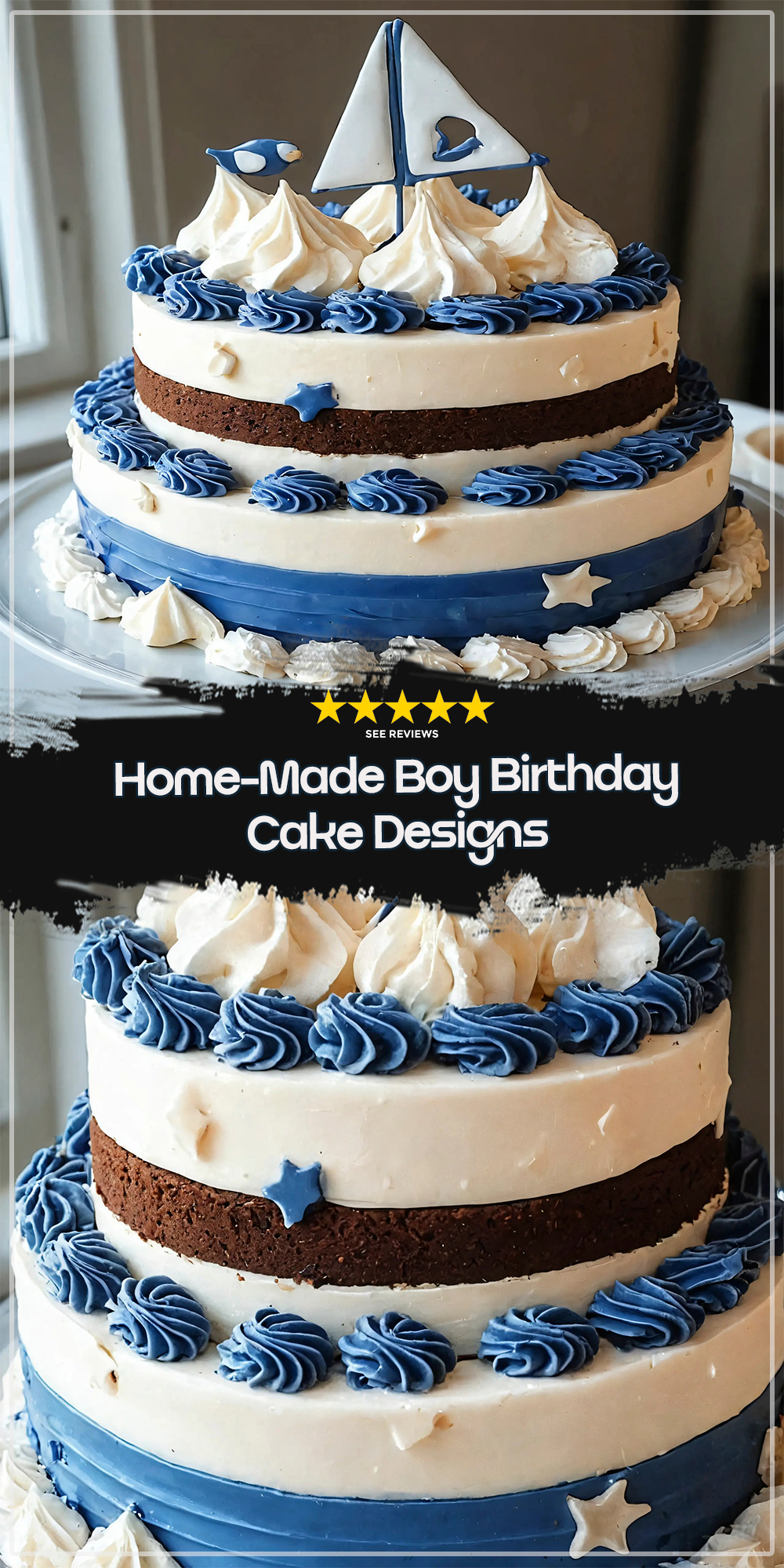
Most home cooks overcomplicate birthday cakes for boys, yet the real secret lies in a light, buttery crumb paired with a bold splash of color.
This boy birthday cake is perfect for a weekend celebration, a school party, or a simple family gathering where the centerpiece must impress without demanding professional equipment.
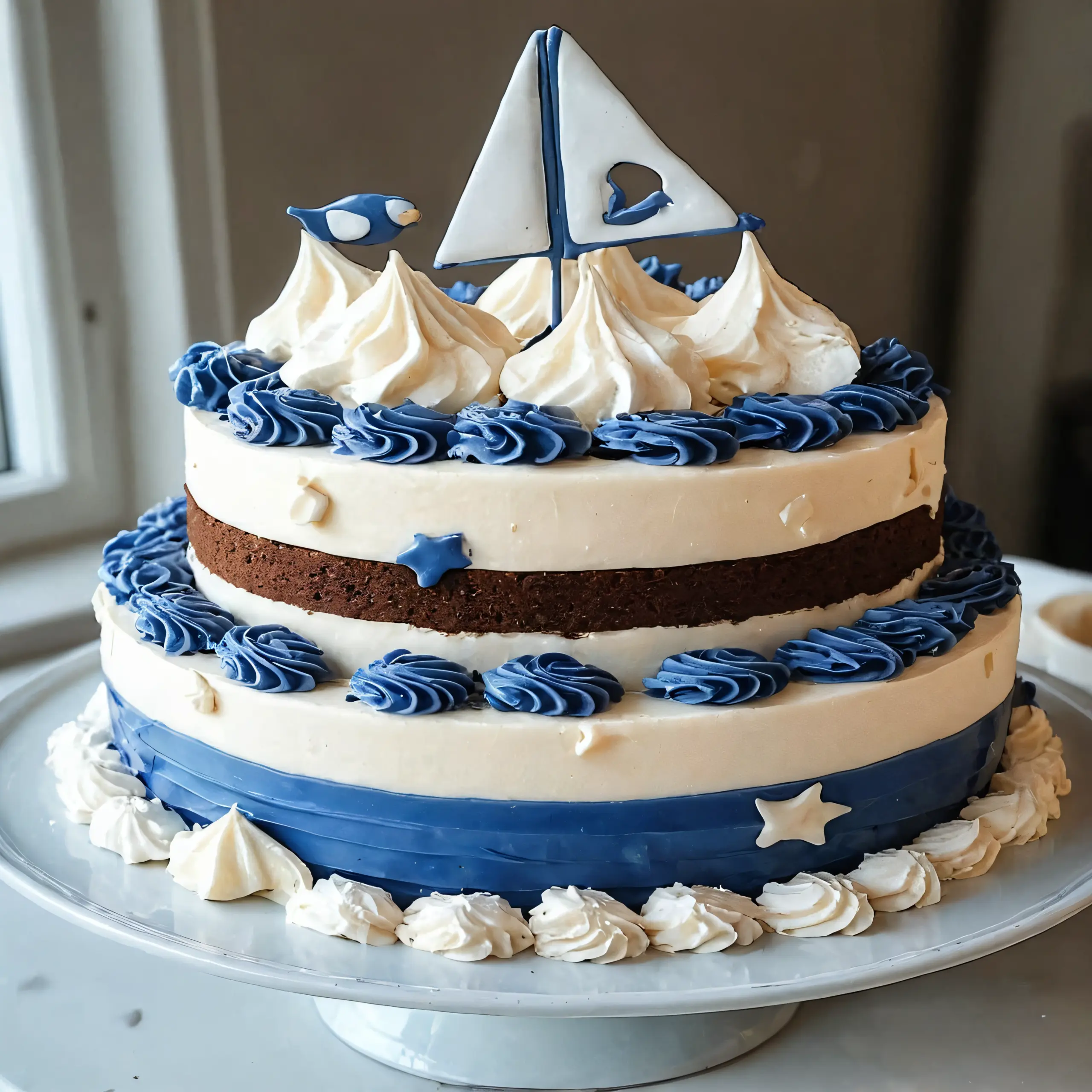
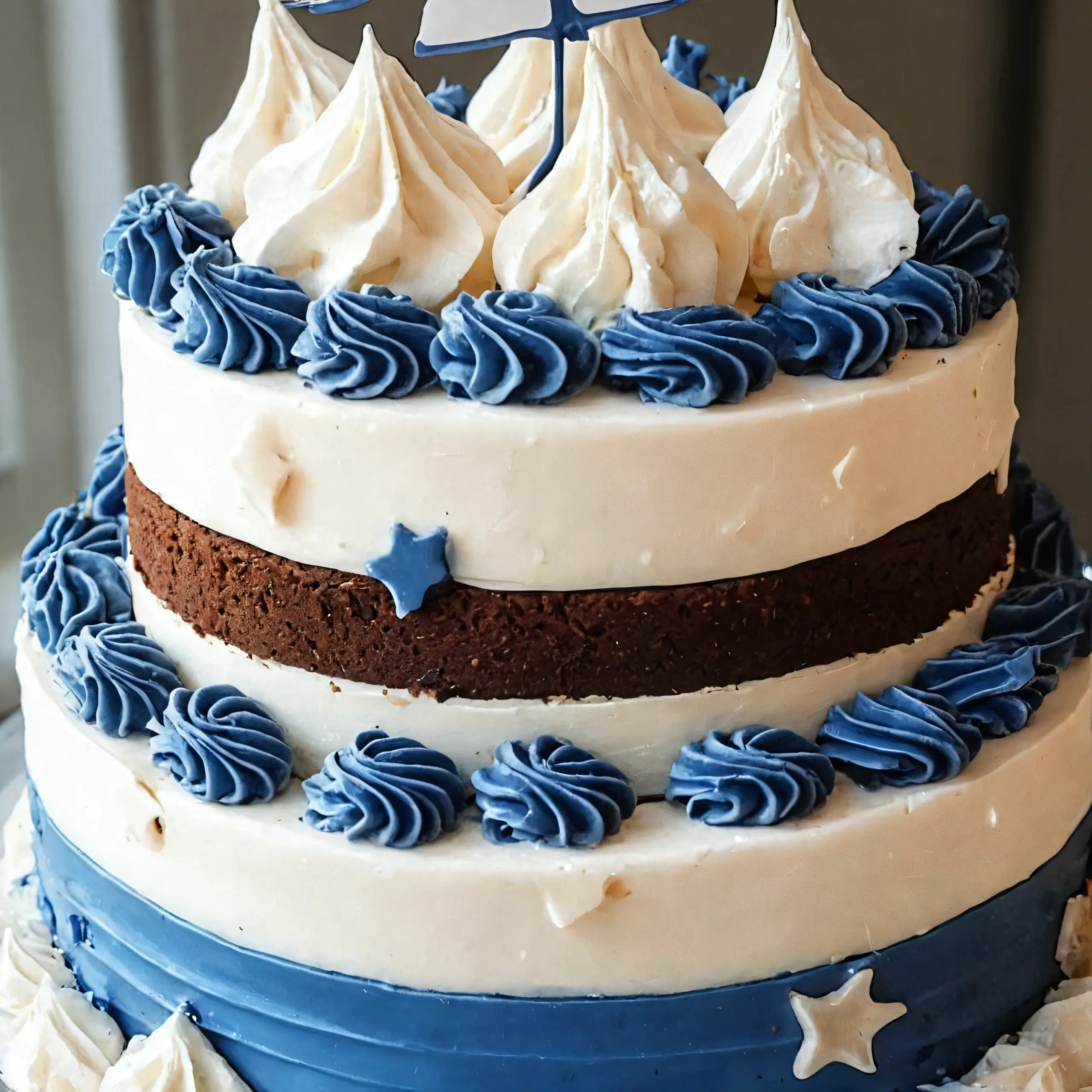
Imagine a soft, vanilla‑scented layer that yields a gentle give when pressed, topped with a glossy blue buttercream that shimmers under party lights.
The recipe is forgiving enough for beginners, yet it offers enough technique to satisfy seasoned bakers looking for a reliable crowd‑pleaser.
Scroll down to see the precise ingredients that create this balanced texture and vibrant look.
Ingredients
- 2 ½ cups all‑purpose flour – provides structure; can substitute with cake flour for extra tenderness
- 2 ½ tsp baking powder – creates lift; omit if using self‑rising flour
- ½ tsp salt – enhances flavor; no substitute needed
- 1 cup unsalted butter, softened – adds richness and moisture; use margarine for dairy‑free version
- 2 cups granulated sugar – sweetens and aids browning; can replace half with brown sugar for deeper flavor
- 4 large eggs – bind and trap air; use flax egg for vegan adaptation
- 1 tbsp vanilla extract – gives aromatic depth; use almond extract for a nutty twist
- 1 cup whole milk – hydrates dry ingredients; use oat milk for dairy‑free
- ¼ cup sour cream – adds tenderness and subtle tang; Greek yogurt works as a substitute
- Blue or themed food coloring (optional) – creates visual impact; use gel color for stronger hue
- Buttercream or fondant for decorating – provides smooth finish; marshmallow frosting works for a lighter texture
This exact combination balances leavening, fat, and liquid to produce a cake that stays moist, rises evenly, and holds decorative frosting without cracking.
Step‑by‑Step Instructions
Preparation
- Preheat oven to 350°F / 175°C and position racks in the middle of the oven (heat the oven before mixing).
- Grease two 9‑inch round cake pans with butter and line the bottoms with parchment paper (ensure even release).
- In a medium bowl whisk together flour, baking powder, and salt; set aside (dry mix prevents lumps).
- In a large bowl beat softened butter on medium speed until pale and fluffy, about 2 minutes (watch for a creamy texture).
- Add granulated sugar to the butter and continue beating until the mixture lightens further, roughly 3 minutes (edges should look glossy).
- Crack eggs into a small bowl, then add vanilla; beat briefly to combine (avoid adding directly to butter to prevent curdling).
- With the mixer on low, gradually add the egg‑vanilla mixture to the butter‑sugar blend, scraping the sides as needed (mixture should be smooth).
- Pour in whole milk and sour cream, mixing just until incorporated (do not overmix – batter should be slightly thick).
- Gradually fold the dry flour mixture into the wet batter using a spatula, stopping when no streaks remain (the batter will look glossy).
- If using food coloring, add a few drops of gel color and swirl gently until the desired shade is uniform (visual cue: deep sky‑blue hue).
- Divide batter evenly between the prepared pans, smoothing tops with a spatula (surface should be level).
Baking
- Place pans in the preheated oven and bake for 25‑30 minutes, or until a toothpick inserted in the center emerges clean (edges will pull away slightly from pan).
- Rotate pans halfway through baking for even color (golden‑brown tops are the visual indicator).
- Remove cakes from oven and set pans on a wire rack for 10 minutes (allows steam to escape).
- Run a thin knife around the edges to loosen cakes, then invert onto the rack to cool completely (cake should feel firm to the touch).
Assembly
- Level each cake layer with a serrated knife, creating flat surfaces (visual cue: even, smooth tops).
- Place the first layer on a serving plate and spread a generous dollop of buttercream, smoothing with an offset spatula (buttercream should be soft, not runny).
- Position the second layer on top, pressing gently to adhere (cake should sit level).
- Apply a thin crumb coat of buttercream around the entire cake; chill for 15 minutes to set (crumb coat should be firm enough to hold).
- Using a clean spatula, spread the final layer of buttercream, creating smooth sides and a decorative peak if desired (surface should be glossy).
- If using fondant, roll to ¼‑inch thickness and drape over the cake, smoothing edges with a fondant smoother (no air bubbles).
Serving
- Garnish with themed toppers, sprinkles, or fresh fruit as desired (visual cue: vibrant colors complement the blue frosting).
- Slice with a hot, wet knife for clean cuts; serve immediately or store as instructed.
The boy birthday cake is ready when the frosting holds a smooth, glossy finish and the layers feel springy yet firm under gentle pressure.
Why This Recipe Works
Butter and sugar are creamed together first, a step that incorporates air into the batter, creating a light crumb that rises evenly once baked.
The addition of sour cream introduces both acidity and extra fat; the acid reacts with baking powder for a reliable lift, while the fat tenderizes gluten, preventing a dense texture.
Chilling the batter briefly after mixing (optional) would further firm the butter, resulting in a more controlled spread during baking, but the recipe’s balanced liquid‑to‑flour ratio already yields a moist interior without collapsing.
Finally, the crumb coat locks in crumbs, allowing the final buttercream layer to sit smoothly without cracking—a technique borrowed from professional cake decorating.
Tips for Reliable Results
- Measure flour by spooning it into the measuring cup and leveling off; packed flour creates a dense cake that won’t rise properly.
- If the batter appears too thin after adding milk, let it rest for 5 minutes; the flour will hydrate, giving a thicker consistency that bakes evenly.
- Use room‑temperature eggs; cold eggs can cause the butter mixture to seize, leading to a grainy texture.
- When adding food coloring, start with a small amount and build up; too much liquid can thin the batter, affecting rise.
- Rotate cake pans halfway through baking to avoid uneven browning caused by hot spots in the oven.
- For a flawless crumb coat, chill the assembled cake for at least 15 minutes; this prevents buttercream from sliding off when the final layer is applied.
- Store leftover cake layers wrapped tightly in plastic wrap and frozen for up to 2 months; thaw in the refrigerator overnight before using.
- When slicing, dip the knife in hot water and wipe dry between cuts; this yields clean slices without tearing the frosting.
Variations
- Chocolate‑Swirl Cake – replace ¼ cup of flour with cocoa powder and add melted chocolate to the buttercream; the cocoa intensifies flavor and creates a richer crumb.
- Fruit‑Infused Layers – fold ½ cup finely chopped fresh berries into the batter before baking; the fruit adds moisture and a subtle tartness that balances the sweet frosting.
- Vegan Version – substitute butter with coconut oil, use oat milk, replace eggs with flax “eggs,” and choose a vegan buttercream; the texture remains moist, though the crumb is slightly denser.
- Gluten‑Free Adaptation – use a 1‑to‑1 gluten‑free flour blend in place of all‑purpose flour and add 1 tsp xanthan gum; the cake retains structure and a tender bite.
Time and Yield
Prep time: 30 minutes
Cook time: 30 minutes
Cooling and assembly time: 45 minutes
Total time: 1 hour 45 minutes
Yield: 12 generous slices
Frequently Asked Questions
Can the cake be made ahead of time?
Yes, bake the layers up to 2 days in advance, wrap tightly, and store in the refrigerator; frost when ready to serve.
What if the batter is too thick to spread?
Add a tablespoon of milk at a time until the batter reaches a pourable consistency; this prevents a dense crumb.
How long does the frosted cake keep?
Store in an airtight container at 65‑70 °F for up to 3 days; for longer storage, freeze the unfrosted layers and frost after thawing.
Is it possible to use a different color than blue?
Absolutely; gel food coloring in any hue can be folded into the batter or buttercream to match a theme.
Can I substitute the sour cream?
Greek yogurt works as a 1‑to‑1 substitute, providing the same acidity and moisture without altering flavor.
Conclusion
This boy birthday cake delivers a reliable, buttery crumb and a vibrant frosting that hold up to enthusiastic celebrations.
By following the science‑backed steps and employing the troubleshooting tips, home cooks can achieve professional‑looking results without specialized equipment.
Feel free to explore the suggested variations, adapting flavors and textures to suit any party theme or dietary need.
With the foundation laid, the next celebration is only a few simple steps away.