Introduction
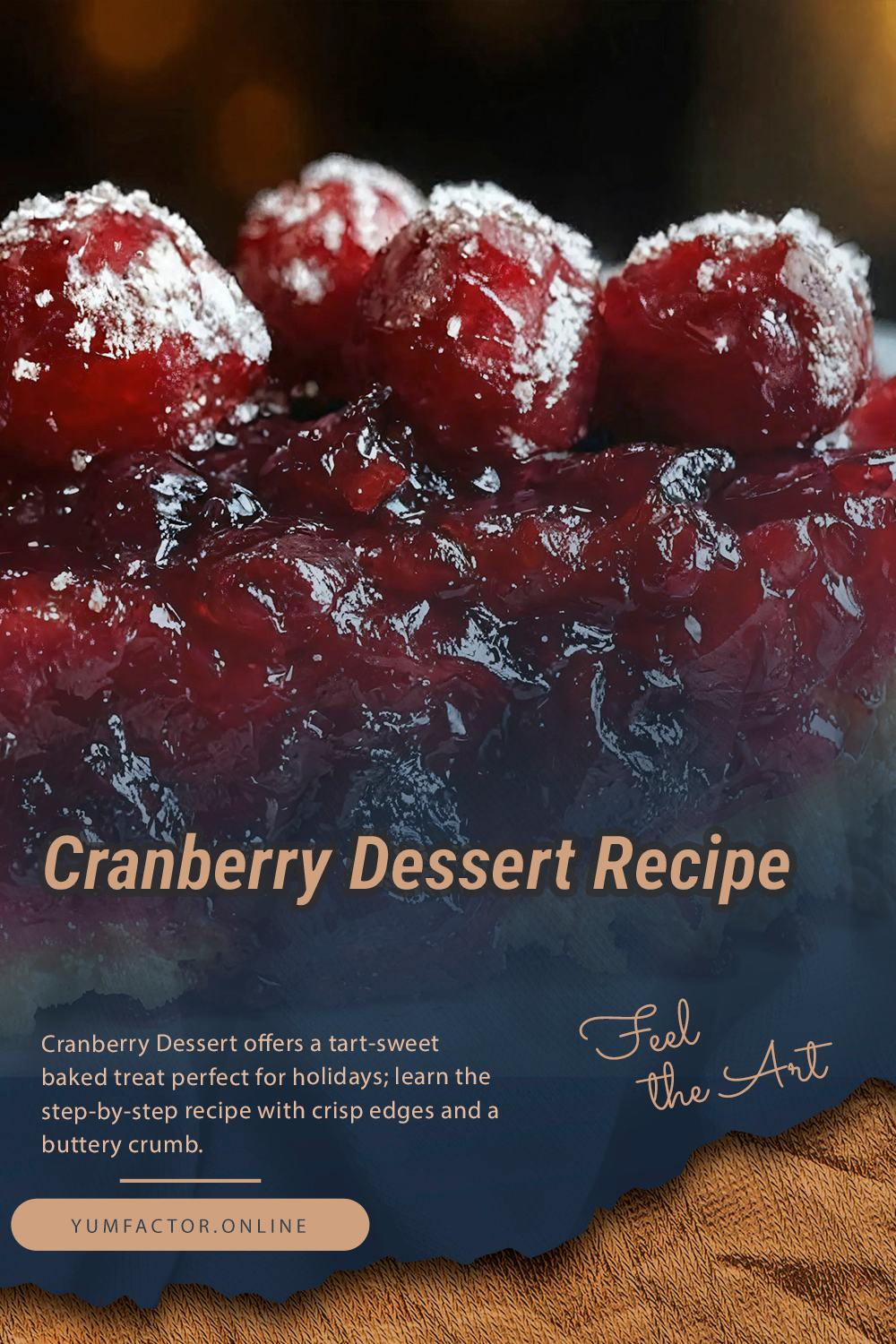
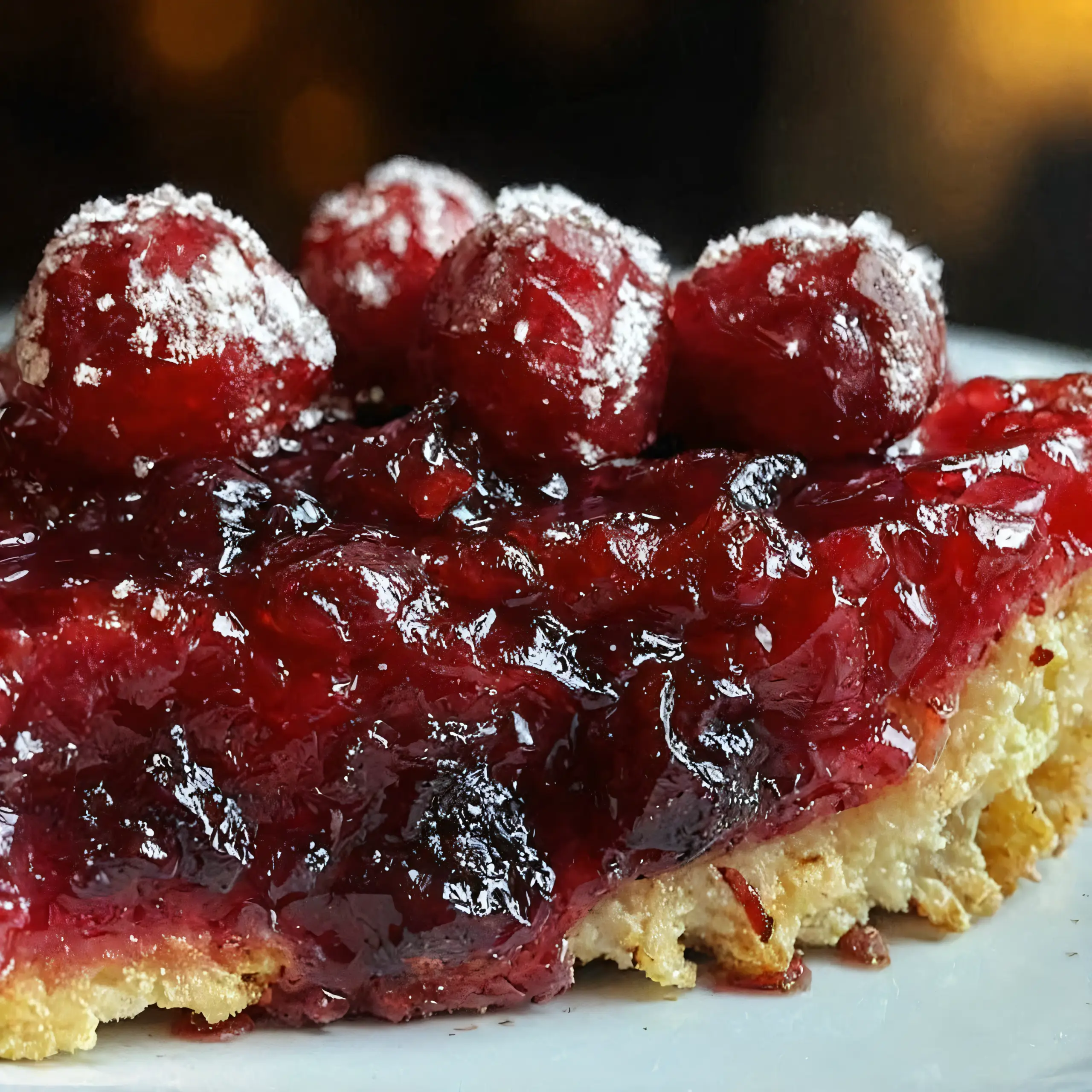
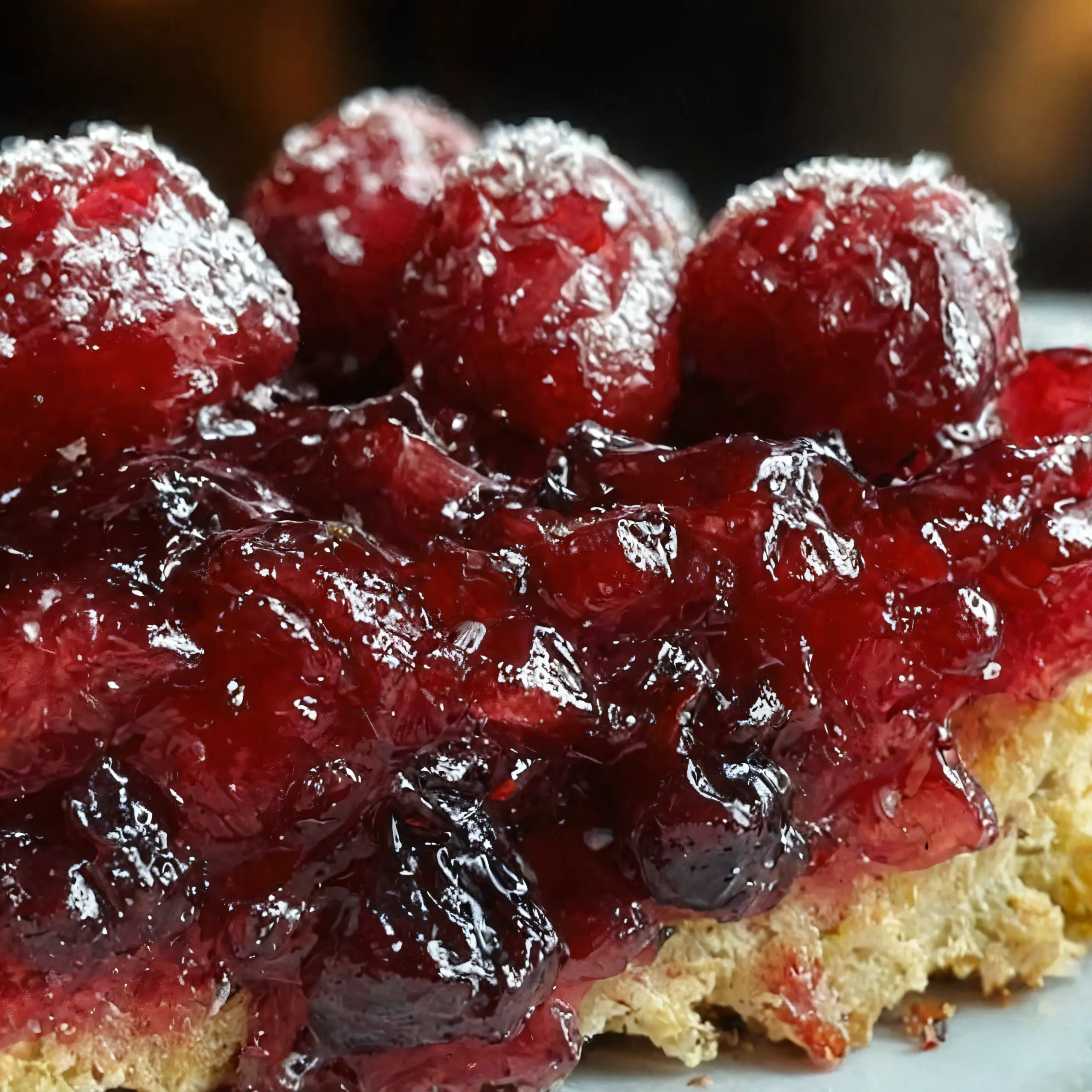
The kitchen fills with the sharp, almost metallic scent of simmering cranberries, a reminder that winter’s brightest fruit is about to become something cozy. A single bite of this cranberry dessert delivers a contrast that feels both festive and comforting, making it an ideal centerpiece for family gatherings or a simple weeknight treat. The recipe balances the natural tartness of fresh berries with a buttery, tender crumb that holds together without being dense. Crispy edges give way to a soft, slightly chewy interior, while a light dusting of powdered sugar adds a whisper of sweetness.
[tasty-recipe id=”10000″]
Designed for cooks who appreciate reliable results, this dish works equally well for beginners learning the basics of baking and for seasoned bakers looking for a dependable crowd‑pleaser. The ingredients are straightforward, the technique is forgiving, and the final product can be served warm or at room temperature. Ready to see how fresh cranberries transform into a beautifully textured bake? Scroll down for the ingredient list and start preparing.
Ingredients
- 2 cups fresh cranberries – provide tart backbone; use fresh for brightest flavor
- 1 cup granulated sugar – balances acidity; can substitute with coconut sugar
- 1/2 cup unsalted butter, softened – creates tender crumb; plant‑based butter works for dairy‑free
- 1 cup all-purpose flour – forms structure; gluten‑free blend substitutes 1:1
- 1/2 teaspoon baking powder – adds lift; omit if using self‑rising flour
- 1/4 teaspoon salt – enhances flavor; use kosher or sea salt
- 3 large eggs – bind moisture and structure; flaxseed meal (1 tbsp + 3 tbsp water) for vegan
- 1 teaspoon vanilla extract – deepens aroma; almond extract can replace half
- Powdered sugar for dusting – adds finishing sweetness; optional
This precise blend of fruit, fat, and leavening creates a tender yet sturdy base that holds the berries without turning soggy.
Step-by-Step Instructions
Preparation
- Heat oven to 350°F (175°C) and line a 9‑inch square pan with parchment.
- Mix fresh cranberries with ½ cup granulated sugar in a medium bowl; set aside for 10 minutes until the berries soften and release juice.
- Whisk together the remaining ½ cup sugar, softened butter, and vanilla until the mixture is pale and fluffy (Do not overmix – air incorporation is key).
- Beat in the eggs one at a time, watching the mixture thicken after each addition.
- Sift flour, baking powder, and salt into the butter‑egg blend; fold gently until just combined (Do not overmix – excess gluten makes texture tough).
Cooking
- Spread the batter evenly in the prepared pan, smoothing the top with a spatula.
- Scatter the macerated cranberries over the batter, allowing the juice to drizzle naturally.
- Bake for 30‑35 minutes, or until the edges turn deep golden brown and a toothpick inserted near the center comes out with only a few moist crumbs.
- Remove from oven and let the bake rest in the pan for 10 minutes; this helps the crumb set and prevents cracking.
Assembly
- Transfer the cake onto a wire rack; while still warm, dust generously with powdered sugar.
- Allow to cool completely before cutting; this ensures clean slices and preserves the crumb structure.
Serving
- Cut into 12 squares; serve plain, with a dollop of whipped cream, or a scoop of vanilla ice cream for extra indulgence.
The cranberry dessert is ready when the top is a caramel‑brown hue and the interior feels set yet slightly springy to the touch.
Why This Recipe Works
The science behind this bake begins with the maceration of cranberries. Soaking the berries in sugar draws out their natural pectin, creating a light gel that stabilizes the fruit during baking and prevents a soggy center. The butter, softened but not melted, coats flour particles, limiting gluten development and yielding a melt‑in‑your‑mouth crumb. Adding baking powder introduces carbon dioxide, giving the batter a gentle lift that keeps the texture airy without forming large holes.
Eggs serve a dual purpose: the proteins coagulate to set the structure, while the fats contribute richness. By incorporating the eggs one at a time, the batter maintains an emulsion that distributes moisture evenly, ensuring each bite has consistent moisture. The final dusting of powdered sugar adds a dry, sweet contrast that highlights the tart cranberry notes without overwhelming them. Together, these techniques produce a balanced dessert that holds its shape, showcases flavor, and remains forgiving for home bakers.
Tips for Reliable Results
- If the batter looks too thick after adding flour, let it rest for 5 minutes; the flour will hydrate and the mixture will loosen naturally.
- When spreading the cranberries, avoid piling them in one spot; uneven distribution can cause localized sogginess.
- Use a light‑colored baking pan; dark pans accelerate browning and may burn the edges before the center sets.
- For a crispier crust, place the pan on the middle rack and rotate it halfway through baking.
- If the top cracks during cooling, cover loosely with foil; the steam will soften the crust.
- Make‑ahead tip: bake the dessert up to step 9, cool, then wrap tightly and refrigerate for up to 3 days. Reheat gently at 300°F (150°C) before serving.
- Storage: store leftover slices in an airtight container at room temperature for 2 days, or freeze for up to 1 month. Thaw overnight in the fridge before reheating.
- Equipment note: a silicone spatula helps fold the flour without overworking the batter, preserving tenderness.
Variations
- Orange‑Infused Cranberry: add 1 tablespoon orange zest to the batter and replace half the powdered sugar dusting with a light orange glaze. The citrus brightens the tartness and adds a fragrant note.
- Almond Crunch: fold ½ cup toasted almond slivers into the batter before baking. The nuts introduce a pleasant crunch and a nutty depth that complements the berries.
- Gluten‑Free Version: use a 1‑to‑1 gluten‑free flour blend and add 1 tablespoon xanthan gum. The blend mimics wheat’s structure, while xanthan gum prevents crumbly fallout.
- Vegan Adaptation: replace butter with equal‑amount plant‑based butter, use flaxseed egg substitute, and ensure the sugar is unrefined. The texture remains buttery, and the flavor stays true to the original.
Time and Yield
- Prep time: 20 minutes
- Cook time: 35 minutes
- Cooling/resting time: 15 minutes
- Total time: 1 hour
- Yield: 12 servings
Frequently Asked Questions
Can I use frozen cranberries instead of fresh?
Yes, thaw frozen cranberries and pat them dry before macerating. The texture will be slightly softer, but the flavor remains bright.
Why did my dessert turn out dry?
Overbaking or using too much flour can dry the crumb. Check for a golden‑brown edge and remove from the oven as soon as a toothpick shows only a few moist crumbs.
How long can I store the baked dessert in the freezer?
Wrap the cooled cake tightly in plastic wrap and foil, then freeze for up to one month. Thaw in the refrigerator overnight before reheating.
Is it possible to make this recipe gluten‑free without altering the texture?
A 1‑to‑1 gluten‑free flour blend combined with 1 tablespoon xanthan gum replicates the elasticity of wheat flour, preserving the tender crumb.
What can I serve alongside the cranberry dessert for a complete holiday spread?
Pair it with lightly sweetened whipped cream, a scoop of vanilla ice cream, or a drizzle of orange‑honey sauce to balance the tartness and add richness.
Conclusion
This cranberry dessert demonstrates how a few simple techniques—macerating fruit, gentle folding, and precise baking—can transform a seasonal ingredient into a reliable, crowd‑pleasing bake. The recipe’s flexibility invites experimentation, whether adding citrus zest, nuts, or adapting it for dietary needs. By following the science‑backed steps and the detailed tips, home cooks can consistently achieve a dessert with crisp edges, a tender crumb, and a bright, lingering cranberry flavor. Serve it warm or at room temperature, and let the tart‑sweet profile become the centerpiece of any gathering.