Introduction
When I was a young cook just stepping into my first kitchen, one of the best pieces of advice I received from an old chef was to never underestimate the power of homemade seasonings. They can transform simple ingredients into gourmet masterpieces in no time! And today, we’re going to explore that magic with our very own Handmade Cajun Seasoning recipe.
Cajun seasoning isn’t just about adding heat and flavor; it’s a celebration of bold flavors and rich history. Each spice is carefully chosen for its unique contribution—think the earthy depth of paprika and cumin, the zesty kick from mustard seed, and the subtle sweetness of brown sugar. By making this yourself, you’re not only creating something delicious but also preserving that special connection to culinary traditions.
So let’s get started on crafting our very own Cajun seasoning blend right here in your kitchen!
Key Ingredients
The cornerstone of any good Cajun spice mix is its balance and depth of flavor. Let’s break down each ingredient:
- Paprika (1/2 cup): This sweet-smelling, mild-spiced paprika will add a rich, earthy note to our blend.
Why it matters: Paprika isn’t just for pretty garnishes; its subtle sweetness complements the bold flavors of other spices perfectly.
- Smoked Cayenne Pepper (1/4 teaspoon): A pinch of smoked cayenne gives us that smoky kick and a bit more complexity than regular dried chili flakes.
Why it matters: The hint of smoke from this pepper will linger on your palate, adding layers to every bite without overwhelming the mix.
- Garlic Powder (1 tablespoon): Garlic powder is essential for its pungent aroma. It brings out depth and a subtle garlic flavor that’s perfect in seasoning blends.
Why it matters: While we love fresh garlic, this version ensures consistency and easy incorporation into our blend without clumping or bruising.
- Cumin (1 tablespoon): Ground cumin is the backbone of many Mexican and Middle Eastern dishes. Its warm, slightly bitter taste adds a lot to our mix.
Why it matters: Cumin seeds have a complex flavor that includes hints of citrus and sweetness—perfect for balancing out some of the spicier elements.
- Onion Powder (1 teaspoon): Finely ground from dried onions, this provides an instant burst of oniony goodness without needing to chop.
Why it matters: Onion powder enhances our seasoning blend with a gentle yet noticeable savory note that rounds everything off nicely.
By carefully selecting and combining these ingredients in specific ratios, we can create a versatile spice mix perfect for adding depth to any dish. Each component serves its purpose while working harmoniously together as part of the larger whole.
Why You’ll Love This Recipe
There are several reasons why you should try making your own Cajun seasoning at home:
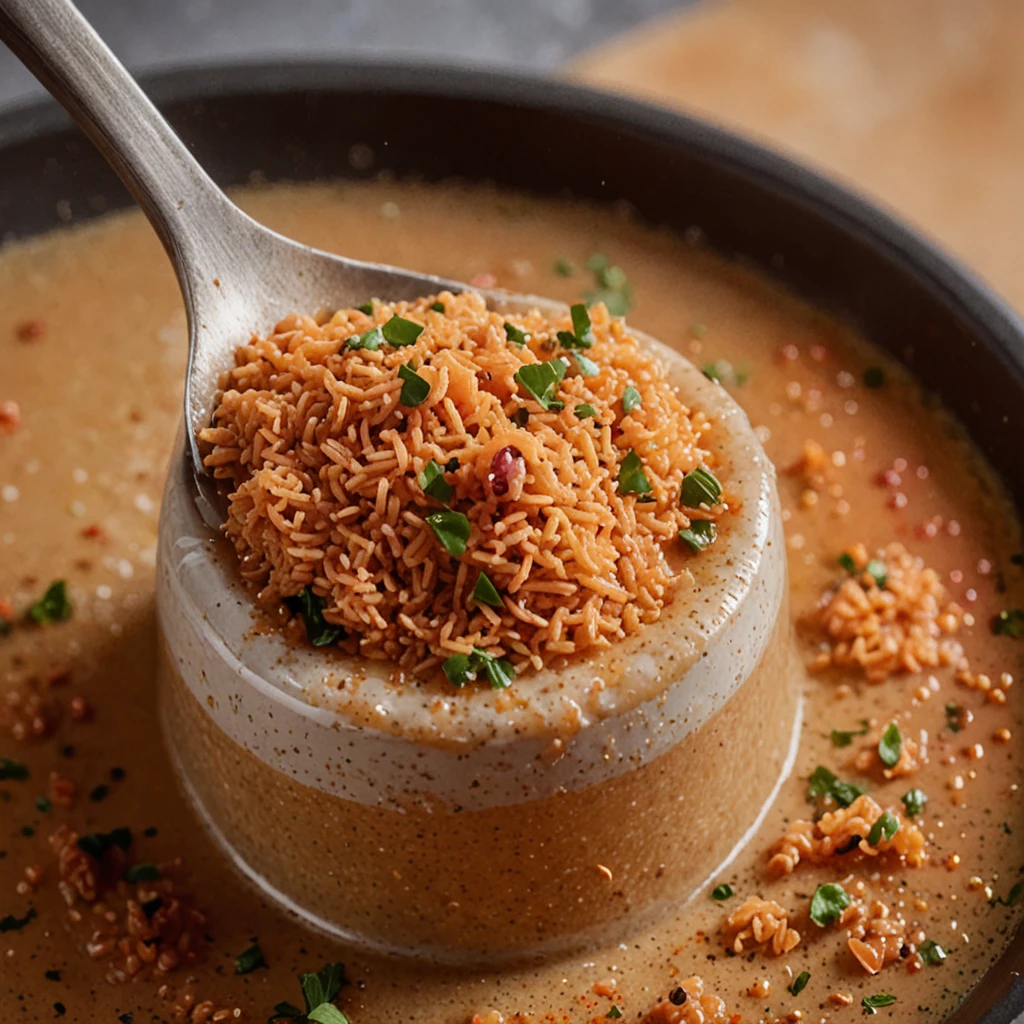

- Customization: Unlike store-bought blends, our recipe allows total control over flavors and strengths to suit individual tastes.
Benefits: Whether you prefer a milder or more fiery version, this is the way to go.
- Cost-effective: Buying in bulk means less frequent trips to the grocery store for spices. Plus, once made, it keeps well on your shelf ready whenever needed!
Benefits: Save money and time while still enjoying fresh flavors every meal.
- Healthier Options: Making your seasonings lets you avoid preservatives found in many commercial products.
Benefits: Enjoy healthier meals without sacrificing flavor or convenience!
- Taste Satisfaction: Nothing beats the joy of knowing exactly what’s going into a dish—especially when it comes to something as personal and unique as Cajun seasoning.
Benefits: Savor each flavorful moment with complete peace-of-mind regarding ingredients.
These advantages make this recipe not just about cooking but also an opportunity for creativity, savings, health benefits, and tasting joy. Who wouldn’t want that?
Tips for Making Perfect Handmade Cajun Seasoning
To ensure you get the best results from your homemade Cajun seasoning:
- Quality Ingredients Matter: Use high-quality spices to maximize flavor potential.
Tip: Always buy fresh or whole grains of cayenne and paprika, then grind them yourself just before mixing.
- Measure Accurately: Precision is key when balancing complex flavors. A kitchen scale can help achieve perfect ratios every time!
Tip: If you don’t have a digital scale handy, use standard measuring spoons but double-check by weighing out your ingredients afterward if necessary.
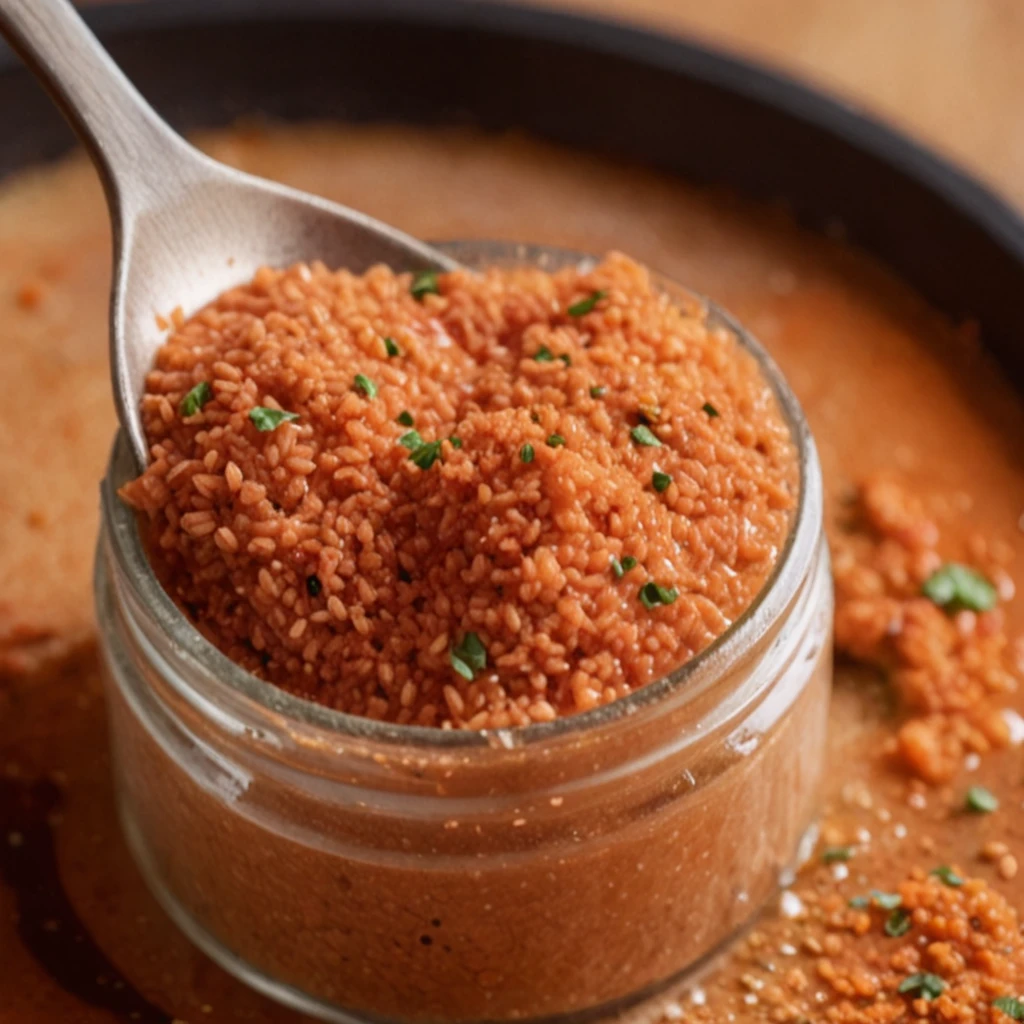
- Store Properly: Keep the seasoning in an airtight container to maintain freshness and prevent moisture absorption. A glass jar with a tight lid works well.
Tip: Store it at room temperature away from direct sunlight, heat sources like ovens or stoves, which can degrade spice quality over time.
- Experiment with Variations: Don’t be afraid to tweak recipes based on preferences!
Tip: Adding extra thyme for a bit of freshness or substituting black pepper if you’re not into cayenne are simple ways to personalize your blend.
By following these tips, we can ensure that our Cajun seasoning hits all the right notes and becomes an integral part of daily cooking routines. Plus, experimenting with different combinations keeps things interesting!

Time Details
- Preparation: 10 minutes
- Cooking: None needed (mix ingredients)
- Total time: ~25 minutes total including prep work.
This recipe is quick to assemble and doesn’t require any lengthy cooking processes once mixed. Perfect for busy weeknights when you want something flavorful without the hassle!
Nutritional Information
Our homemade Cajun seasoning comes in at a relatively low-calorie count but packs plenty of flavor into each serving:
- Calories per tablespoon: ~10
- Protein: 0g (per tbsp)
- Carbohydrates: <2g (mostly from natural sugars like brown sugar and paprika)
- Fat content: Negligible (<1g)
While these numbers aren’t groundbreaking, the seasoning serves more as a flavor enhancer rather than a calorie contributor. It’s great for those watching their intake or simply looking to add robust flavors without significant changes in macronutrient values.
FAQs
Q: Can I substitute cayenne pepper with red pepper flakes?
A: Yes! If you prefer less heat, use 1/4 teaspoon of dried red pepper flakes instead. Adjust according to taste preferences.
- Tip: Start with a small amount and increase gradually until desired spiciness is achieved.
Q: Is it okay if I add this seasoning directly into soups or stews?
A: Absolutely! It’s fantastic for adding depth in savory dishes like gumbo, jambalaya, or any hearty stew.
- Tip: Stir a teaspoon of the blend at the end to taste; you might find that just 1/2 teaspoon suffices.
Q: How long does this seasoning last once made?
A: This homemade seasoning should keep for up to one year in an airtight container under normal storage conditions.
- Tip: Store it away from direct sunlight and heat sources. Check periodically; if moisture gets into the mix, discard since mold can develop.
Q: Can I use this blend as part of marinades too?
A: Definitely! For added flavor before grilling or roasting meats like chicken thighs or pork chops.
- Tip: Mix 1 tablespoon with olive oil and let meat marinate for at least an hour in the fridge to absorb flavors thoroughly.
These answers should help clear up any lingering doubts about using our homemade Cajun seasoning effectively. Happy cooking!
Conclusion
Now that we’ve explored all aspects of making your own Cajun seasoning, it’s time to dive into creating this delicious blend! Whether you’re a seasoned chef or just starting out in the kitchen, taking control over such essential elements can truly elevate meals and bring unique flavors right from home.
Give yourself permission to experiment with variations—maybe add some dried thyme for extra depth next time. The beauty of homemade seasonings lies not only in their taste but also in how they open doors towards endless culinary possibilities waiting just beyond your spice cabinet! So go ahead, give it a try today and let the flavors begin.