Introduction
Naan bread is a versatile and comforting addition to any meal. Whether you’re hosting an intimate dinner party or planning a casual family gathering, homemade naan adds a delightful touch of authenticity and warmth. The rich aroma of freshly baked naan wafts through the kitchen, creating a sense of anticipation that excites both your taste buds and those around you.
[tasty-recipe id=”3914″]
This bread is not just about the flavors; it’s also about the technique. Mastering the art of making naan requires a bit of practice, but once you get the hang of it, the results are incredibly rewarding. The key to success lies in the perfect blend of ingredients and the gentle handling of the dough. The tender, fluffy texture that melts in your mouth is hard to replicate with store-bought options.
Key Ingredients
All-Purpose Flour
- Why this specific type/brand matters: All-purpose flour is a versatile choice for naan because it provides the right balance of gluten and starch, ensuring the dough has both elasticity and chewiness. Using a high-quality brand ensures consistent results.
- What happens if you substitute it: If you use bread flour or pastry flour, your naan may be too tough or not as fluffy. Avoid using self-rising flour because it contains added baking powder and salt, which can alter the taste and texture.
Active Dry Yeast
- Why this specific type/brand matters: Active dry yeast is essential for leavening the dough, giving naan its light and airy texture. It’s crucial to activate the yeast by dissolving it in warm water before adding other ingredients.
- What happens if you substitute it: Quick-rise or instant yeast can be used as a substitute but will require different handling techniques and rising times. Always follow the instructions on the package.
Warm Water (100–110°F)
- Why this specific type/brand matters: The temperature of the water is critical for activating the yeast effectively. Cold water won’t activate the yeast, while hot water can kill it.
- What happens if you substitute it: If using cold water, the dough might not rise properly; if using very warm or hot water, the yeast could die before it has a chance to work.
Plain Yogurt
- Why this specific type/brand matters: Plain yogurt adds moisture and a slight tanginess to the naan. It helps in creating a soft and stretchy dough.
- What happens if you substitute it: You can use sour cream or buttermilk as substitutes, but they will affect the taste slightly.
Sugar
- Why this specific type/brand matters: A small amount of sugar provides food for the yeast and enhances its activity. It also adds a subtle sweetness to the naan.
- What happens if you substitute it: You can use honey or maple syrup as alternatives, but these will add more moisture and sweetness.
Salt
- Why this specific type/brand matters: Salt not only balances the flavors but also affects the texture of the dough by controlling the gluten development. Using iodized salt is fine.
- What happens if you substitute it: You can use sea salt or kosher salt, adjusting the quantity slightly as these have a coarser grain.
Vegetable Oil or Melted Butter
- Why this specific type/brand matters: These fats are essential for creating a soft and fluffy naan. They also add flavor.
- What happens if you substitute it: Olive oil can be used, but it will result in a slightly different texture due to its higher smoke point.
Minced Garlic or Garlic Butter
- Why this specific type/brand matters: Minced garlic adds a subtle, aromatic flavor that enhances the overall taste. Using high-quality butter ensures a rich and creamy spread.
- What happens if you substitute it: You can use more fresh garlic for stronger flavor, but make sure to adjust the salt content as garlic is naturally salty.
Fresh Herbs (Cilantro, Mint, Parsley)
- Why this specific type/brand matters: These herbs add freshness and a burst of green color to your naan. They also enhance the overall aroma.
- What happens if you substitute it: You can use other herbs like dill or basil, but the flavor profile will change.
Nigella Seeds or Sesame Seeds
- Why this specific type/brand matters: These seeds add a nutty crunch and enhance the texture. Nigella seeds have a unique, slightly sweet taste.
- What happens if you substitute it: You can use poppy seeds or sunflower seeds for a different flavor profile.
Why You’ll Love This Recipe
Easy & Quick: Naan bread isn’t just a staple in Indian cuisine; it’s also incredibly easy to make. With minimal ingredients and simple steps, you can have fresh naan ready in no time.
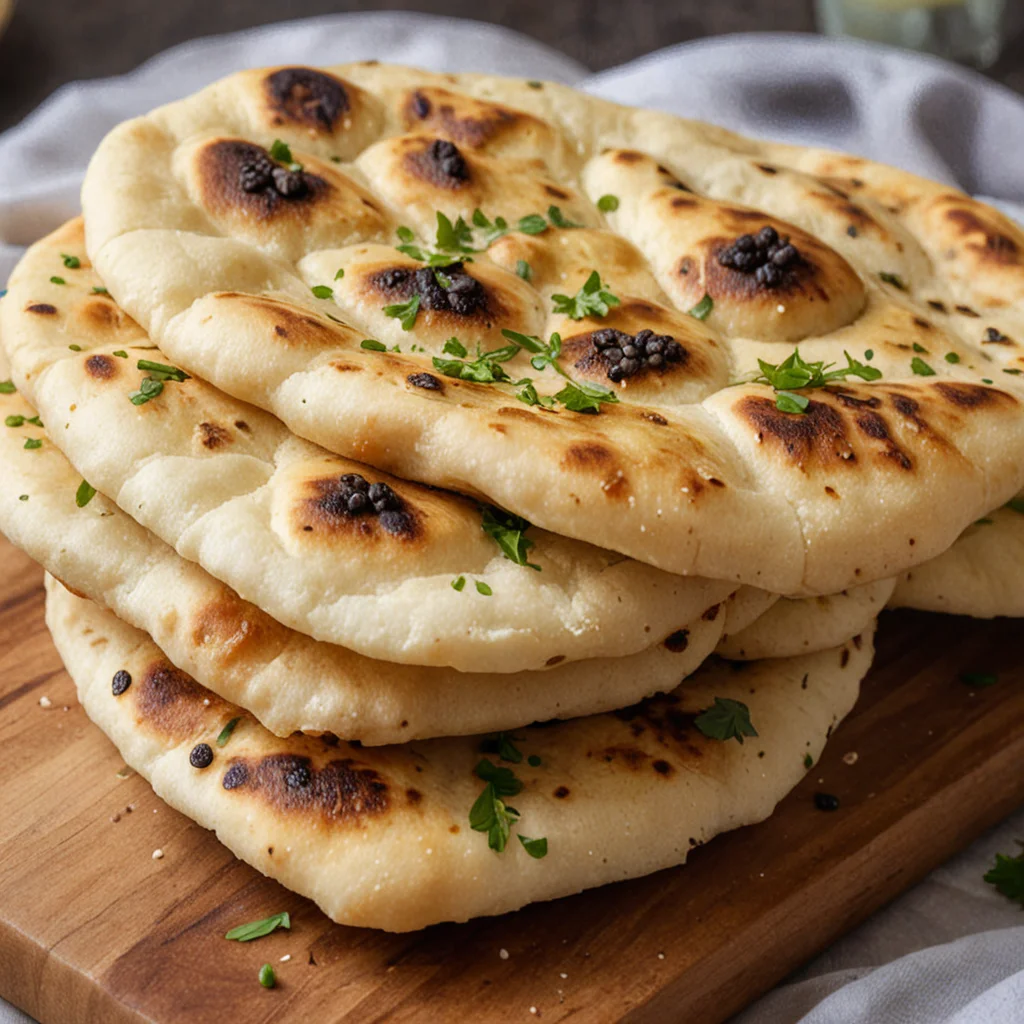
Versatile: Whether you’re serving it with curries, soups, or even on its own as a snack, naan adds a delightful accompaniment to any meal. Its soft texture makes it perfect for mopping up sauces.
Crowd-Pleasing: The aromatic and flavorful naan bread is sure to impress your guests. It’s the perfect solution when you need something that everyone can enjoy.
Tips for Making Perfect Naan Bread
- Yeast Activation: Always activate the yeast in warm water before adding it to the dough. This ensures proper fermentation and a better rise.
- Dough Consistency: Keep the dough slightly sticky; this helps achieve the soft, stretchy texture of naan. If it’s too dry, add more water slowly.
- Folding Technique: Fold the dough gently to release air bubbles. Overworking can make the dough tough.
- Proofing Time: Allow the dough to rest and rise for at least 30 minutes before rolling and cooking. This ensures proper gluten development.
Time Details
- Preparation: 25 minutes
- Cooking: 15 minutes (per batch)
- Total Time: 40 minutes
Nutritional Information
- Calories: 120 per piece
- Protein: 3 grams
- Carbohydrates: 25 grams
- Fat: 6 grams
- Fiber: 1 gram
- Sugar: 3 grams
- Sodium: 300 mg
FAQs
Q: Can I use different herbs instead of cilantro and mint?
A: Yes, you can use other fresh herbs like dill or basil. Just ensure they complement the flavors in your dish.
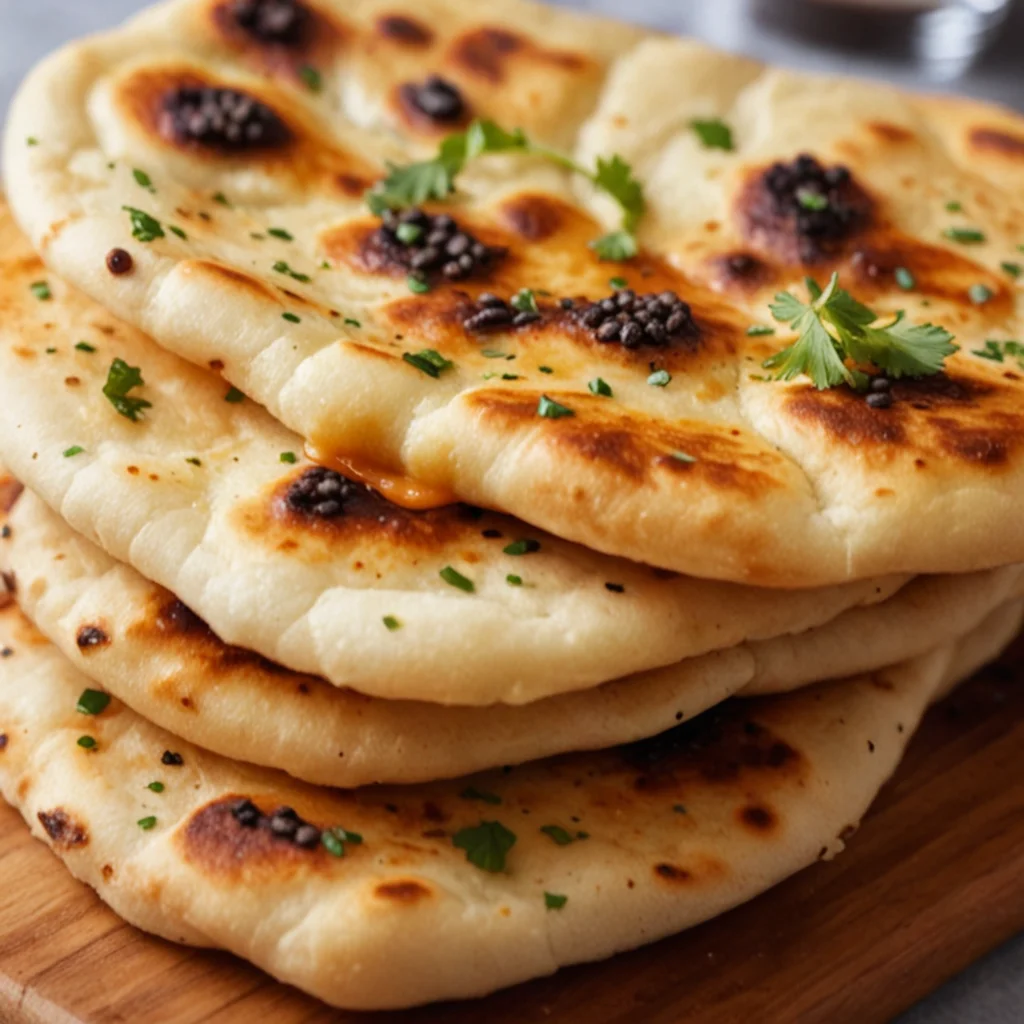
Q: How do I store leftover naan bread?
A: Store it in an airtight container at room temperature for up to 2 days. You can also freeze it for longer storage; simply thaw and reheat before serving.
Q: Can I make this recipe with gluten-free flour?
A: While you can try using gluten-free flour, the texture might not be as authentic due to the lack of gluten. However, you can experiment with rice flour or coconut flour for a gluten-free version.
Q: What type of oil is best for brushing?
A: Vegetable oil works well for brushing because it spreads easily and doesn’t leave a strong flavor on the naan. Alternatively, you can use ghee (clarified butter) for a richer taste.
Conclusion
Making homemade naan bread is an enjoyable culinary experience that yields fantastic results every time. With just a few simple steps, you can create these delectable flatbreads that are perfect for any occasion. The aroma and texture of fresh naan will surely make your dining table more inviting and memorable.