Introduction
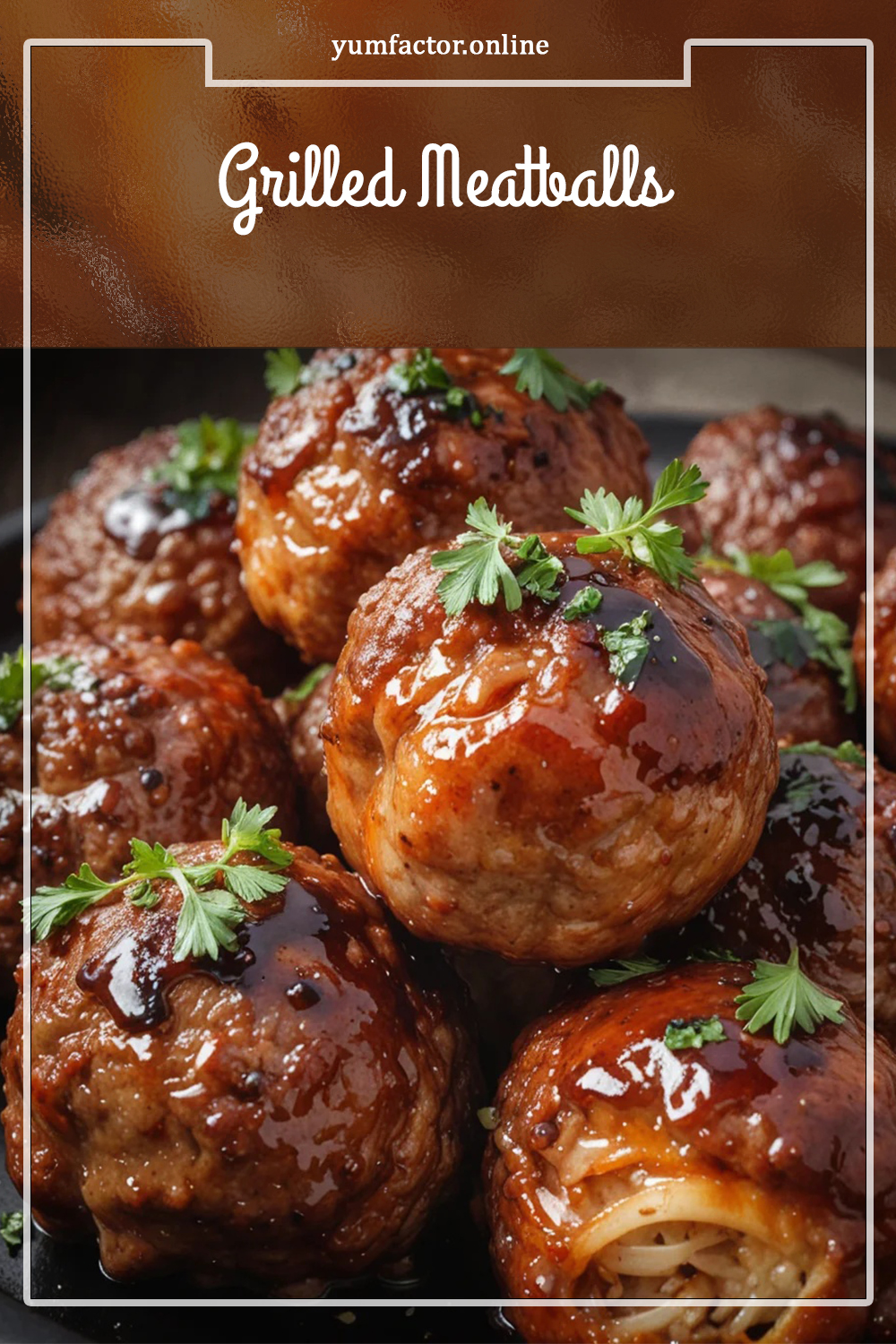
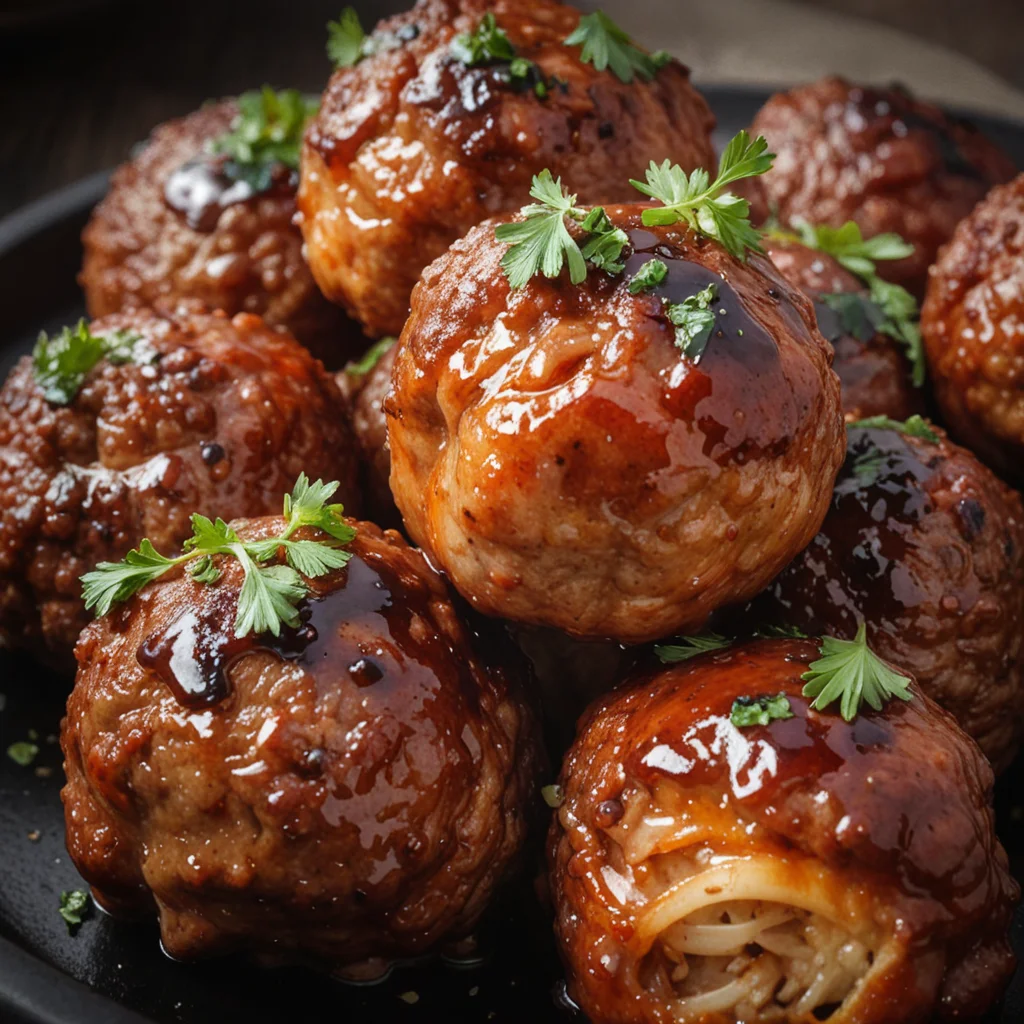
Grilled meatballs are a delightful dish that combines the savory flavors of ground beef with the smoky richness of grilling. Perfect for gatherings, weeknight dinners, and casual get-togethers, these meatballs not only look impressive but also taste fantastic. The aroma of sizzling meatballs on the grill fills your home with an irresistible scent that can make anyone’s mouth water. The visual appeal of golden-brown, juicy meatballs piled high on a plate or skewered on sticks is simply stunning. Grilled meatballs are versatile and adaptable, making them suitable for various occasions, from formal dinners to backyard barbecues.
[tasty-recipe id=”3928″]
Key Ingredients
Ground Beef (80/20)
- Why this specific type matters: The 80% beef and 20% fat ratio ensures that the meatballs are moist and tender. The higher fat content prevents them from drying out during cooking.
- What happens if you substitute it: Using ground turkey or chicken would result in a drier texture, making the meatballs less appealing on the grill.
- How it contributes to flavor/texture: This blend of lean and fatty meat creates a balanced flavor profile with a tender and juicy center. The fat content helps keep the meatballs moist during grilling.
Bread Crumbs
- Why this specific type matters: Using traditional breadcrumbs, which are often made from bread, can help bind the meat together without making it too dense.
- What happens if you substitute it: Rice or quinoa-based crumbs would be less effective in binding and might result in a less cohesive meatball.
- How it contributes to flavor/texture: Breadcrumbs add texture and prevent the meatballs from falling apart during grilling. They also contribute a subtle, slightly nutty flavor.
Onion
- Why this specific type matters: Finely chopped onions enhance the overall flavor of the meatballs by adding sweetness and depth.
- What happens if you substitute it: Using finely minced carrots or celery would change the texture and flavor profile significantly, making the dish less appealing.
- How it contributes to flavor/texture: Onions break down during cooking, releasing their natural sugars and aromatics that complement the beef. The texture remains crisp enough to retain a slight bite.
Garlic
- Why this specific type matters: Minced garlic adds a robust aroma and intense flavor to the meatballs.
- What happens if you substitute it: Using crushed garlic would change the consistency, making the meat mixture too crumbly.
- How it contributes to flavor/texture: Garlic infuses each bite with a pungent, aromatic taste that complements the beef.
Egg
- Why this specific type matters: The large egg acts as a binding agent, keeping the meatballs together during cooking.
- What happens if you substitute it: Using two smaller eggs or another liquid would affect the structure of the meatballs, making them more likely to fall apart on the grill.
- How it contributes to flavor/texture: The egg provides moisture and binds the ingredients together, ensuring the meatballs maintain their shape.
Worcestershire Sauce
- Why this specific type matters: This sauce adds a rich, umami flavor that elevates the overall taste of the meatballs.
- What happens if you substitute it: Using soy sauce or fish sauce would change the savory, slightly sweet and tangy flavors, making them less appealing.
- How it contributes to flavor/texture: Worcestershire sauce provides depth without overpowering the beef’s natural flavors.
Barbecue Sauce
- Why this specific type matters: The barbecue sauce adds a sweet, smoky glaze that caramelizes during grilling, enhancing the overall taste and appearance of the meatballs.
- What happens if you substitute it: Using honey or molasses would change the texture and flavor profile, potentially making them too sweet.
- How it contributes to flavor/texture: The barbecue sauce coats the meatballs with a rich, sticky glaze that caramelizes during grilling, giving them a deliciously caramelized exterior.
Salt
- Why this specific type matters: Proper seasoning brings out the natural flavors of the ingredients and enhances their overall taste.
- What happens if you substitute it: Using too little salt would result in bland meatballs. Too much could overpower other flavors.
- How it contributes to flavor/texture: Salt helps balance the umami flavors, making the meatballs more flavorful.
Black Pepper
- Why this specific type matters: Freshly ground black pepper adds a sharp, piquant taste that complements the savory beef.
- What happens if you substitute it: Using pre-ground or salt would alter the texture and flavor profile of the meatballs.
- How it contributes to flavor/texture: Black pepper provides a robust, slightly spicy kick that enhances the overall flavor.
Why You’ll Love This Recipe
Grilled meatballs are perfect for a variety of occasions. They’re easy to prepare and can be made ahead of time, making them ideal for busy weeknights or casual gatherings. The key benefit is their versatility – they can be served with pasta, on skewers, or as an appetizer. These meatballs are typically well-received because the combination of sweet and savory flavors appeals to a wide range of palates. Plus, grilling adds a delicious smoky flavor that elevates their taste.
Tips for Making Perfect Grilled Meatballs
- Proper Mixing: Mix all ingredients thoroughly but gently to avoid overworking the meat. Over-mixing can make the meat tough.
- Consistency Check: Ensure your mixture is of consistent texture; if it’s too dry, add a little water or broth; if it’s too wet, add more bread crumbs.
- Proper Skewering: Use metal skewers for grilling to ensure they hold up well and prevent the meatballs from falling off.
Time Details
- Preparation: 20 minutes
- Cooking: 15-20 minutes (depending on the size of the meatballs)
- Total Time: 35-40 minutes
Nutritional Information
Calories: 350
Protein: 15g
Carbohydrates: 45g
Fat: 12g
Fiber: 5g
Sugar: 8g
Sodium: 400mg
FAQs
Question 1: Can I use other types of meat for these meatballs?
Answer: Yes, you can substitute the ground beef with ground pork or chicken. However, keep in mind that different meats will affect the texture and flavor.
Question 2: How long should I marinate the meatballs before grilling?
Answer: Marinating isn’t necessary, but if you do, a light marinade for 30 minutes to an hour can enhance the flavors slightly.
Question 3: Can I freeze these meatballs?
Answer: Yes, you can freeze them after cooking and storing in the refrigerator for up to 2 weeks. Simply thaw and grill until heated through.
Question 4: What if my meatballs fall apart on the grill?
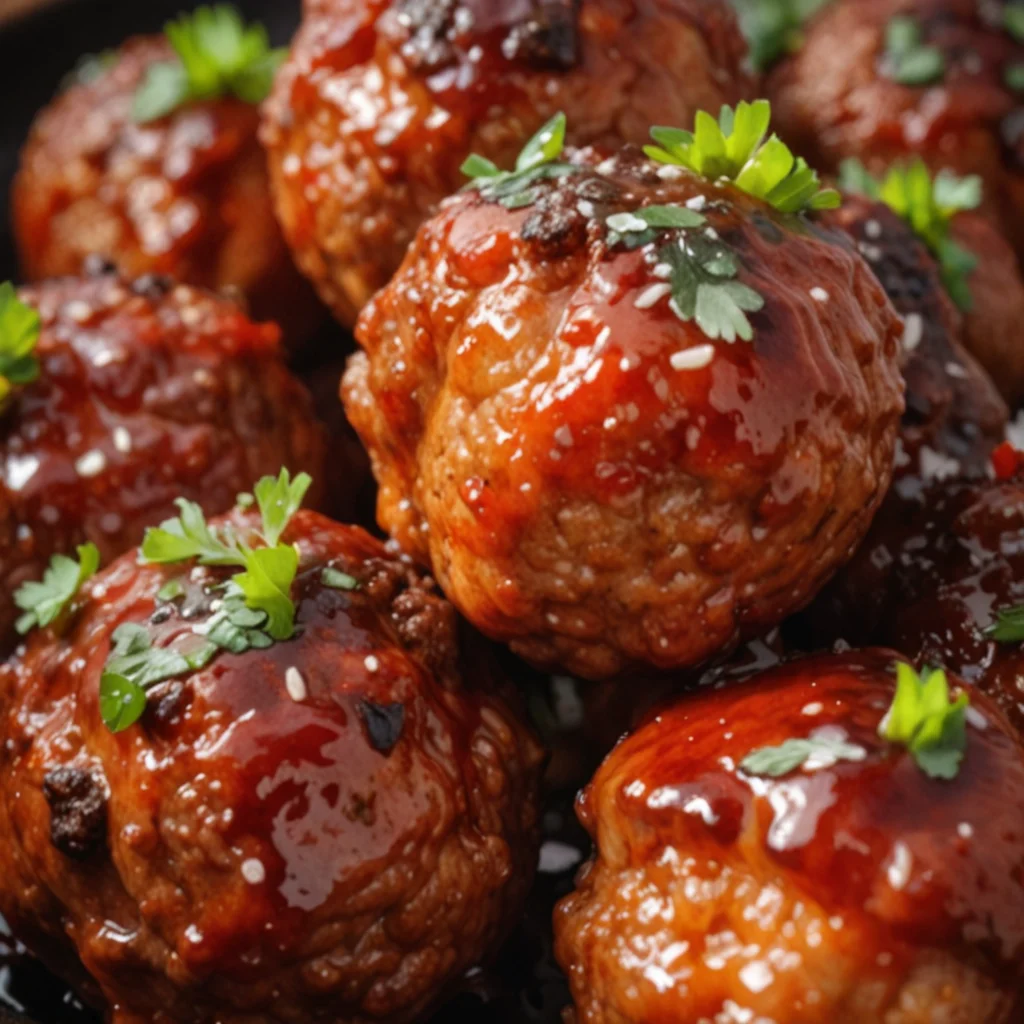
Answer: Ensure your mixture is not too wet; adding a small amount of bread crumbs might help. Also, ensure your grill grates are clean and well-oiled to prevent sticking.
Conclusion
Grilled meatballs are a versatile, crowd-pleasing dish that can be served at any occasion. Whether you’re hosting a dinner party or just looking for an easy weeknight meal, these delicious meatballs will not disappoint. They’re perfect for adding variety to your grilling repertoire and are sure to become a family favorite.