Introduction
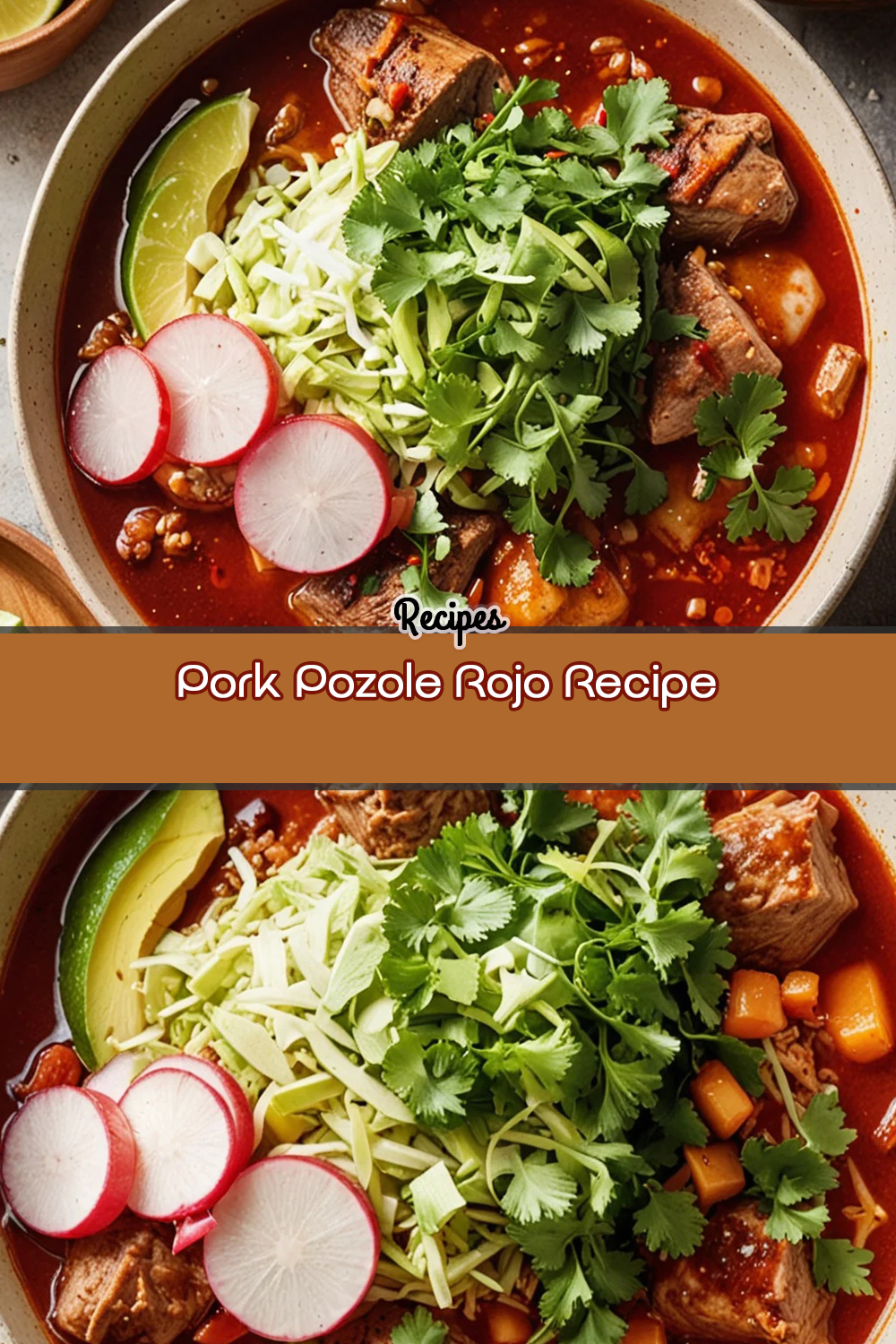
Pork Pozole Rojo is not just a dish; it’s an invitation to explore flavors that have been cherished for centuries. Originating from Mexico, this hearty soup isn’t merely about combining ingredients but telling the story of its rich cultural heritage through every bite. The pozole itself carries with it stories of family gatherings and festive celebrations—times when warmth is more than just a feeling.
[tasty-recipe id=”3486″]
Key Ingredients
The magic in Pozole Rojo lies not only in the flavors but also in how each ingredient brings something unique to the table, quite literally! Let’s delve into why these key ingredients are indispensable for this dish:
- Pork Carnitas (or Marinated Pork): The carnitas add a depth of flavor and tenderness that elevates every bite. Slow-cooked until falling apart, they provide a creamy texture with rich, smoky flavors.
– Why it matters:
– It adds the perfect balance to the pozole’s overall taste profile by giving it both richness and mouthfeel.
- Pozolera Corn (Nixtamalized Corn): This corn is essential for creating the unique texture of pozolera, a type of masa that gives this soup its distinctive thickness. The process involves soaking dried white corn in an alkaline solution, which not only softens it but also enhances flavor and nutritional value.
– Why it matters:
– It provides both body to the broth and a distinct texture, making each spoonful more satisfying than just another bowl of regular stewed pork.
- Tomatillos (Green Tomatoes): These small green fruits burst with acidity when cooked, adding brightness that cuts through richness. Their skin also adds an interesting crunch once peeled away from the fruit inside.
– Why it matters:
– They balance out the heaviness brought by other ingredients like meat and masa while contributing a vibrant taste that keeps diners coming back for more.
- Chili Peppers (Ancho, Pasilla): Anchos offer deep fruity sweetness with hints of smokiness, whereas pasillas deliver intense heat. Together, they create layers upon layers of flavor complexity without overwhelming the dish’s other components.
– Why it matters:
– These peppers are crucial for adding depth and dimension to Pozole Rojo, ensuring no single note dominates but rather harmonizes beautifully with all others present in each spoonful taken.
Why You’ll Love This Recipe
You’re about to embark on a culinary journey that will not only fill your belly but also ignite your senses. Pozole Rojo isn’t just a recipe; it’s an experience where every element has been carefully chosen and crafted with purpose. Here’s why you won’t want anything else for dinner:
- Family Gatherings: Imagine sitting around the table, sharing stories while enjoying this communal meal—a tradition often passed down through generations.
– Key Benefits:
– It fosters a sense of community and connection.
- Cultural Heritage: Each ingredient tells its own tale. From marinated pork to nixtamalized corn, each plays an integral role in preserving culinary history within your home or kitchen space.
– Key Benefits:
– Honors cultural roots through authentic recipes that can be shared and appreciated.
- Comfort Food at Its Finest: Whether served on a chilly night or during festive times like Cinco de Mayo, Pozole Rojo delivers comforting warmth alongside bold flavors.
– Key Benefits:
– Provides emotional comfort while satisfying physical hunger.
Tips for Making Perfect Pork Pozole Rojo
Creating the perfect batch of Pozole Rojo requires attention to detail and some trial-and-error. Here are a few tips that might help streamline your process:
- Marinating the pork overnight ensures it’s tender enough to fall apart when cooked, significantly reducing cooking time.
– Pro Tip:
– Ensure all spices used in marinade fully penetrate meat for best results.
- When making masa from scratch (using pozolera corn), soak and cook just right. Overcooking can result in a mushy texture; undercooked masa lacks proper consistency needed to thicken broth effectively.
– Pro Tip:
– Test masa dough’s elasticity before adding it into the pot.
- Adjust seasoning based on personal preference regarding spiciness levels, as both ancho and pasilla contribute differently depending upon how finely they are chopped or dried out during storage over time.
– Pro Tip:
– Taste frequently throughout cooking to ensure balanced flavors without overpowering any single component of dish.
Time Details
Preparation: About 2 hours (including marinating, soaking corn)
Cooking: Approximately another hour
Total Time: ~3-4 hours from start to finish
Nutritional Information
Calories per serving:
Protein: 15g
Carbohydrates: 45g
Fat: 12g
Fiber: 5g
Sugar: 8g
Sodium: 400mg
FAQs
Q: Can I use store-bought pozolera corn instead of making it from scratch?
- A: While convenience is key, homemade pozolera offers better texture and flavor. However, if you must rely on pre-made varieties, ensure they’re high-quality to maintain consistency in your dish.
Q: How do I know when the pork carnitas are ready for serving?
- A: Check by ensuring pieces easily separate with minimal pressure from a fork or spoon; this indicates they’ve reached perfect tenderness without becoming too soft and falling apart entirely.
– Additional Tip:
– You can also baste occasionally during cooking to keep meat moist.
Q: What should I do if my pozole becomes too watery?
- A: If broth gets overly thin, consider adding more masa gradually until desired consistency is achieved. Overcooking may be another factor; adjust heat accordingly and monitor closely from this point forward.
– Additional Tip:
– Stir occasionally to prevent bottom sticking while adjusting flavors.
Q: Is pozole traditionally served with anything specific?
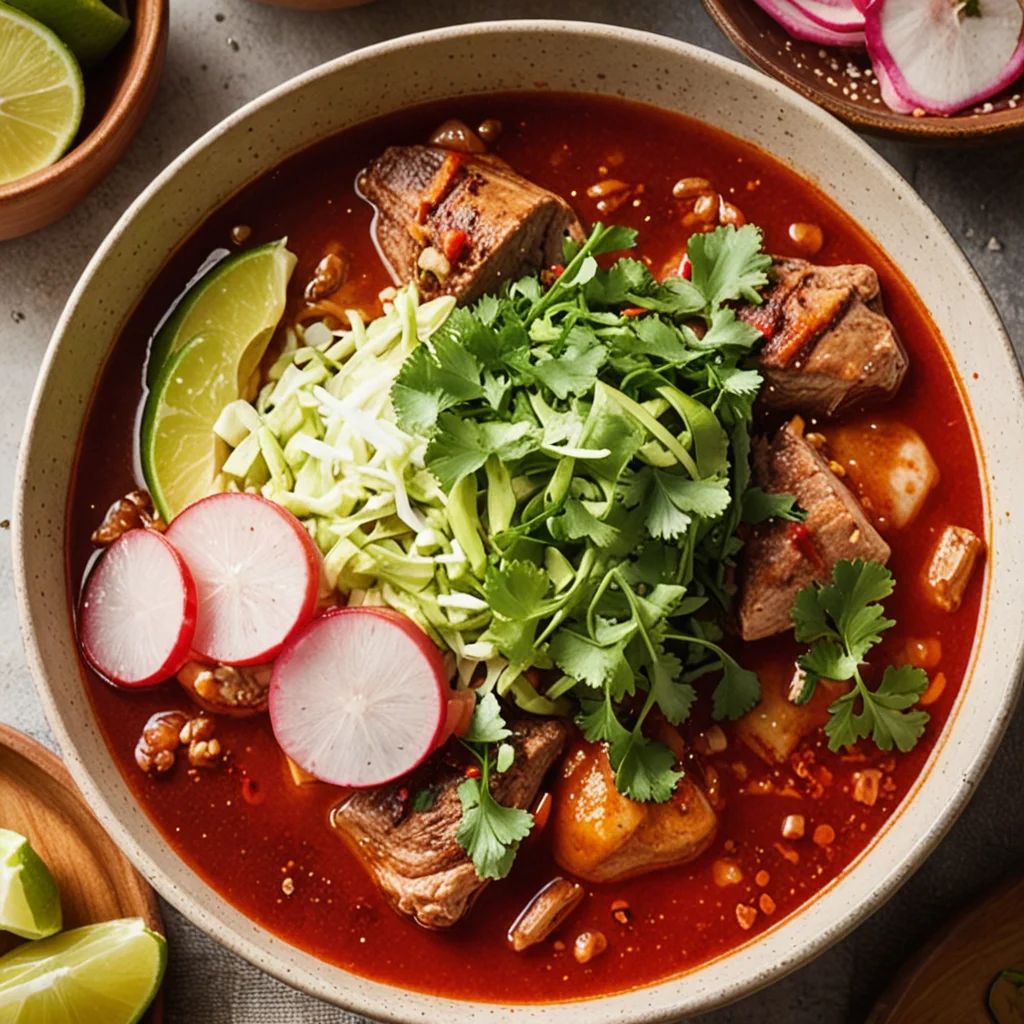
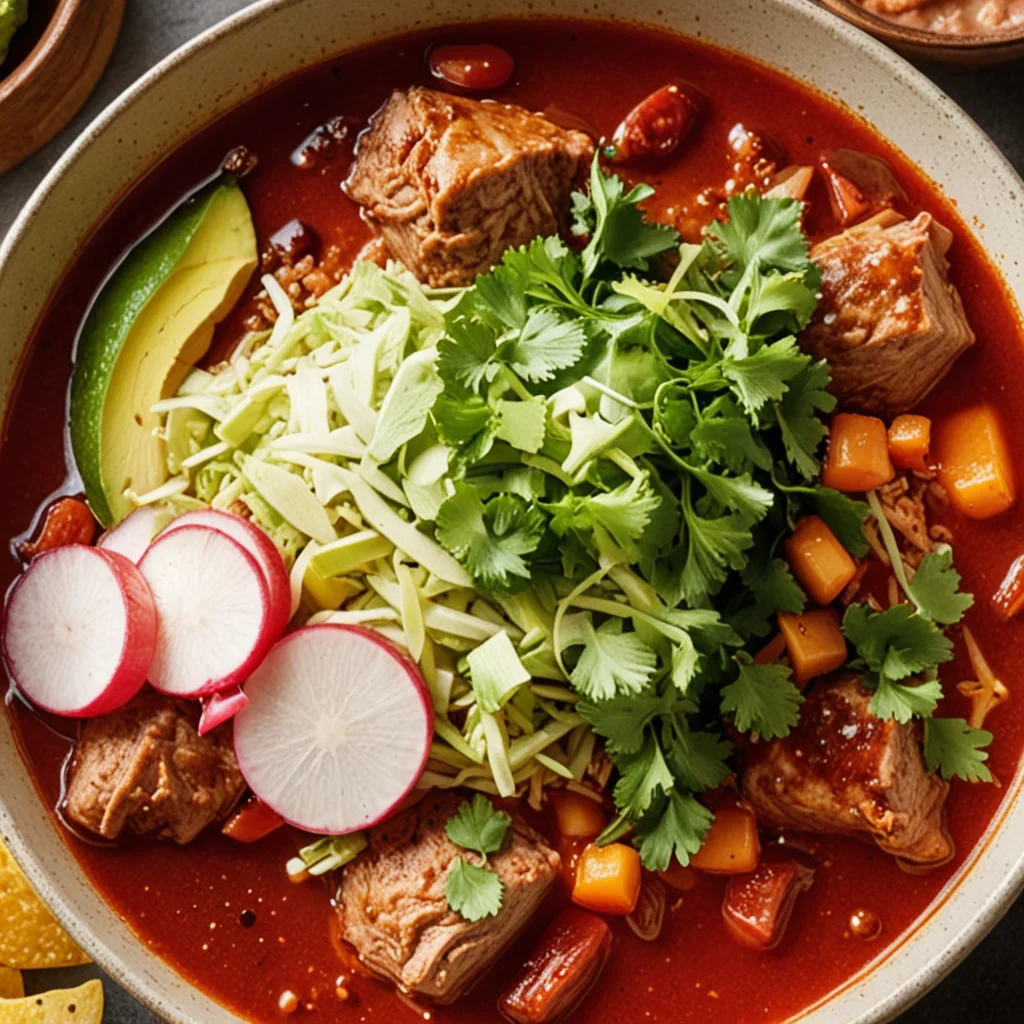
- A: Common accompaniments include shredded lettuce, diced onion, lime wedges, radish slices, and aji seasoning. These add freshness that complements the richness of the main components.
– Additional Tip:
– Experiment with toppings like avocado or crumbled queso fresco for extra creaminess.
Conclusion
With all these tips under your belt, you’re ready to take on making Pozole Rojo at home. Embrace this process as more than just following steps but an opportunity to connect deeply through shared experiences and flavors that speak of history and tradition. Enjoy crafting each element with care before bringing them together in a beautiful bowl that promises both comfort and excitement.