Introduction
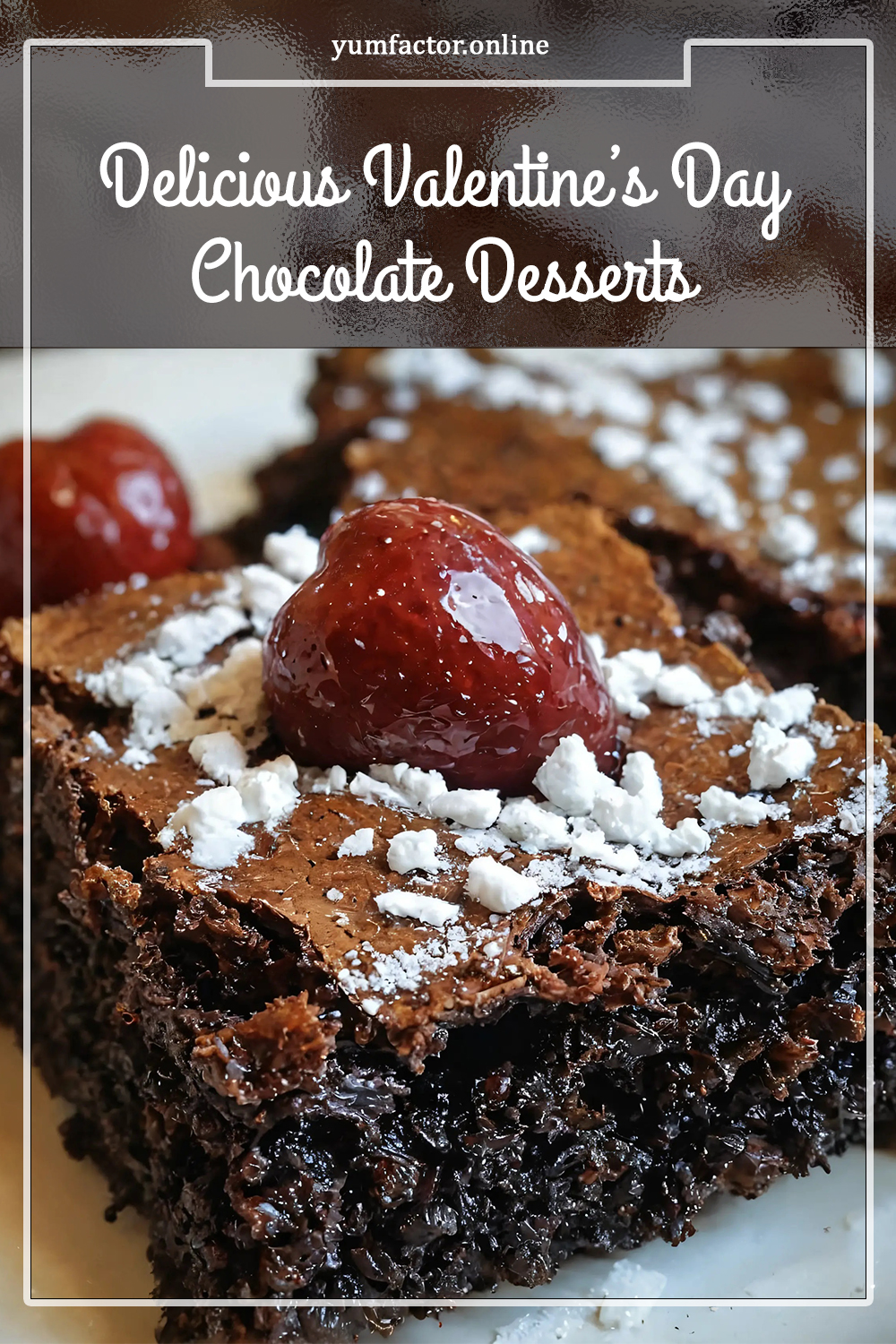
The first thing that hits the nose is the deep, earthy aroma of melted cocoa mingling with a whisper of vanilla, promising a treat that feels both indulgent and intimate. This Valentine’s Day chocolate desserts recipe delivers that promise with a simple, crowd‑pleasing chocolate cake that’s soft, slightly crisp at the edges, and speckled with melty chocolate chips.
[tasty-recipe id=”9991″]
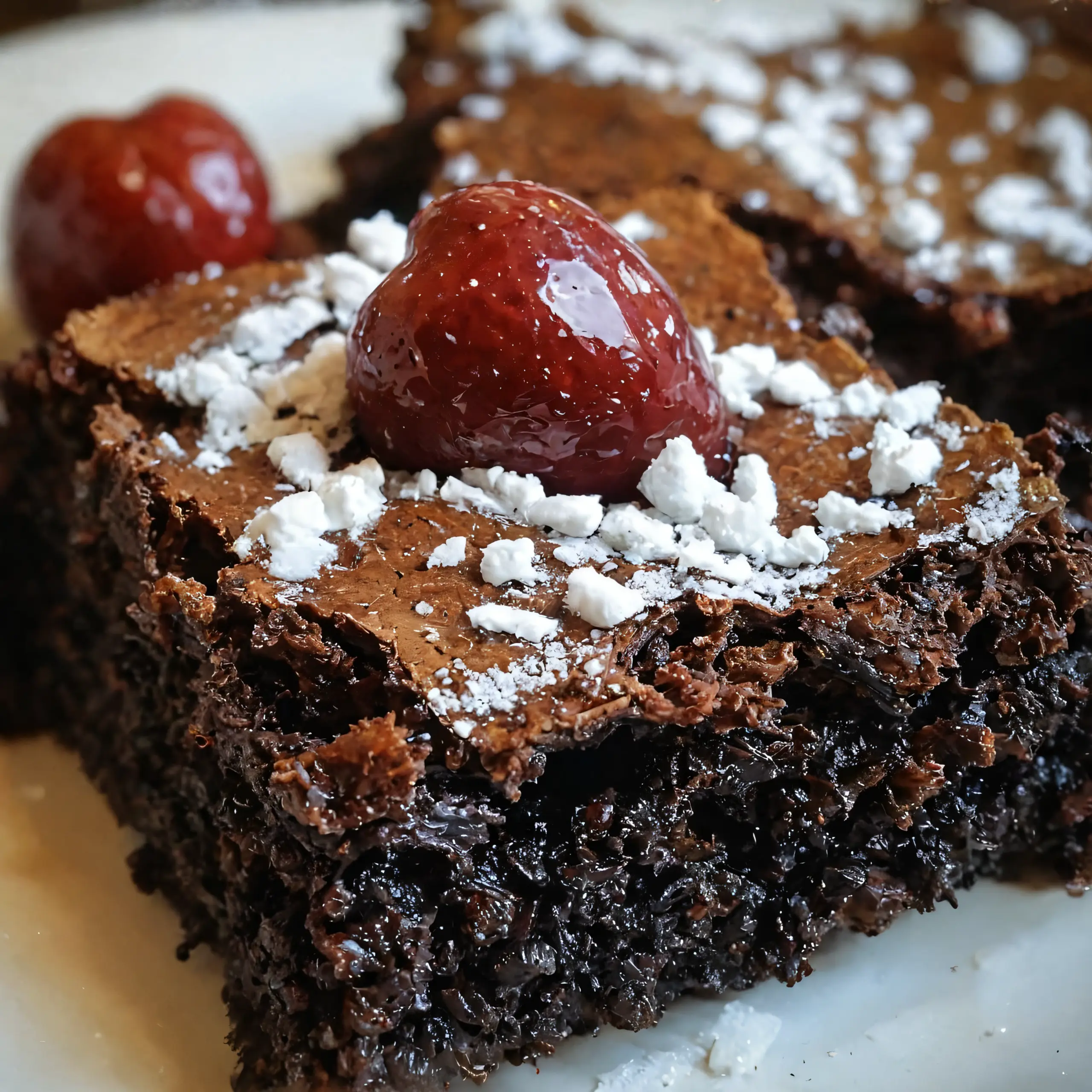
Perfect for a romantic evening, a family gathering, or a make‑ahead dessert for a holiday brunch, the cake balances richness with a light crumb, making it suitable for beginners and seasoned bakers alike. The batter produces a moist interior that yields a faint crackle when sliced, while the dusting of powdered sugar adds a delicate, snow‑like finish.
Home cooks who love chocolate, need a reliable dessert that can be prepared ahead, and appreciate clear, science‑backed instructions will find this recipe especially rewarding. Scroll down to gather the ingredients and start creating a chocolate masterpiece that sings of love and flavor.
Ingredients
- **1 cup all-purpose flour** – builds structure; can substitute with gluten‑free blend (1:1)
- **1/2 cup unsweetened cocoa powder** – provides deep chocolate flavor; use Dutch‑process for richer taste
- **1 cup sugar** – sweetens and aids browning; replace half with brown sugar for moisture
- **1/2 cup butter (softened)** – adds richness and tenderness; use equal amount of margarine for dairy‑free
- **2 large eggs** – bind and leaven; use flax egg (1 tbsp flax + 3 tbsp water) for vegan
- **1 tsp vanilla extract** – enhances aroma; omit or use almond extract
- **1/2 tsp baking powder** – creates lift; ensure fresh for maximum rise
- **1/4 tsp salt** – balances sweetness; omit if using salted butter
- **1/2 cup chocolate chips (optional)** – pockets of molten chocolate; use chopped dark chocolate
- **Powdered sugar (for dusting)** – adds finishing sparkle; use confectioners’ sugar
This exact combination of flour, cocoa, butter, and eggs creates a tender crumb while the chocolate chips deliver surprise bursts of melt‑in‑your‑mouth goodness.
Step‑by‑Step Instructions
Preparation
- Preheat oven to 350°F (175°C) and line a 9‑inch round pan with parchment; the heat ensures even rise.
- Whisk together flour, cocoa powder, baking powder, and salt in a bowl until uniformly combined; (Do not over‑mix – it can develop gluten).
- In a separate large bowl, cream softened butter and sugar with an electric mixer on medium speed until pale and fluffy, about 3 minutes; visual cue: mixture should hold a soft peak.
- Add eggs one at a time, beating briefly after each addition; the batter should become smooth and glossy.
- Stir in vanilla extract; aroma will become noticeably fragrant.
- Gradually add the dry mixture to the wet, folding with a spatula until just incorporated; stop when no dry spots remain (Do not overmix – over‑development leads to a dense cake).
- If using chocolate chips, fold them in gently, ensuring even distribution.
Cooking
- Pour batter into the prepared pan, smoothing the top with an offset spatula; surface should be level.
- Place pan in the middle rack of the preheated oven; bake for 25‑30 minutes, or until a toothpick inserted near the center comes out with a few moist crumbs.
- When the edges turn a deep, mahogany brown and the top springs back lightly, the cake is done; (Do not open oven door early – temperature drop can cause collapse).
- Remove pan from oven and set on a wire rack; let cool in the pan for 10 minutes before loosening the sides.
Assembly
- Turn the cake onto the wire rack to cool completely; this prevents sogginess.
- Once cool, dust the top generously with powdered sugar using a fine mesh sieve; the sugar should settle in a soft, even blanket.
Serving
- Slice with a serrated knife, allowing each piece to reveal a tender crumb and occasional chocolate chip melt; serve on a platter.
The Valentine’s Day chocolate desserts are ready when the top is lightly dusted, the edges are slightly crisp, and the interior yields a moist, fragrant crumb.
Why This Recipe Works
The success of this cake hinges on the balance between fat, liquid, and leavening. Softened butter emulsifies with sugar, trapping air bubbles that expand during baking, while the cocoa powder adds both flavor and a small amount of acidity that reacts with the baking powder for lift. Chilling the batter isn’t required, but allowing the batter to rest for a few minutes lets the flour fully hydrate, resulting in a more tender crumb.
Eggs provide structure through coagulation, creating a network that holds the cake together without becoming rubbery, provided they aren’t over‑mixed. The optional chocolate chips melt just enough to create pockets of liquid chocolate, contrasting with the firm crumb and preventing a dry mouthfeel. Finally, dusting with powdered sugar adds a dry, melt‑in‑your‑mouth finish that balances the richness of the butter and cocoa.
Tips for Reliable Results
- If the batter looks too thick, add a tablespoon of milk or water; excess thickness often comes from over‑creaming the butter and sugar.
- When the cake cracks on the top, it usually means the oven temperature was too high; use an oven thermometer to verify 350°F (175°C).
- For an even crumb, sift the flour and cocoa together before mixing; this prevents lumps that can create dense spots.
- If the edges brown too quickly, tent the cake with foil after 20 minutes of baking; this protects the outer layer while the center finishes.
- To avoid a soggy bottom, ensure the parchment paper hangs over the sides of the pan, allowing steam to escape.
- For make‑ahead, bake the cake up to step 9, then wrap tightly in plastic wrap and refrigerate for up to 3 days; dust with powdered sugar just before serving.
- Store leftovers in an airtight container at room temperature for 2‑3 days; a slice will stay moist thanks to the butter content.
- When using the optional chocolate chips, choose chips with a higher cocoa butter content; they melt more evenly and don’t become grainy.
Variations
- Gluten‑Free Version: Replace all‑purpose flour with a 1:1 gluten‑free flour blend and add 1 tsp xanthan gum; the texture remains tender while eliminating gluten.
- Vegan Adaptation: Swap butter for coconut oil, use flax eggs (1 tbsp ground flax + 3 tbsp water per egg), and choose dairy‑free chocolate chips; the cake stays moist with a subtle coconut note.
- Espresso Infusion: Dissolve 1 tsp instant espresso powder in 1 tbsp hot water and add to the wet ingredients; the coffee deepens the chocolate flavor and adds a slight bitterness.
- Salted Caramel Swirl: Drizzle ¼ cup caramel sauce over the batter before baking and sprinkle flaky sea salt on top after dusting; the sweet‑salty contrast elevates the dessert for a sophisticated twist.
Time and Yield
Prep time: 15 minutes
Cook time: 30 minutes
Cooling time: 15 minutes
Total time: 60 minutes
Yield: 12 generous slices

Frequently Asked Questions
Can I use melted butter instead of softened butter?
Melted butter can be used, but it will make the batter more liquid, potentially resulting in a denser crumb. Cool the melted butter to room temperature before mixing and add an extra tablespoon of flour to compensate.
Why did my cake turn out dry?
A dry cake usually means the batter was over‑mixed, causing excess gluten development, or the oven temperature was too high. Ensure you stop mixing as soon as the flour is incorporated and verify oven temperature with a thermometer.
How long can I freeze the baked cake?
Wrap the cooled cake tightly in plastic wrap and foil, then freeze for up to 2 months. Thaw overnight in the refrigerator and dust with powdered sugar before serving.
Is it possible to make this recipe without any added sugar?
You can substitute the granulated sugar with an equal amount of a natural sweetener like coconut sugar, but the texture may be slightly coarser. For a sugar‑free version, use a blend of erythritol and stevia, adjusting the quantity to taste.
What if I don’t have chocolate chips?
Chopped dark chocolate, cocoa nibs, or even dried cherries can replace chips. Each alternative changes the texture: dark chocolate melts into rich pockets, while cocoa nibs add crunch.
Conclusion
The moment the cocoa‑filled aroma fills the kitchen, you know this Valentine’s Day chocolate desserts will deliver a tender, melt‑in‑your‑mouth experience that lives up to its romantic promise. By respecting the science behind each step and using the proven tips, home cooks can consistently achieve a cake that’s both elegant and comforting. Feel free to explore the suggested variations, but remember the core formula—quality chocolate, balanced leavening, and careful mixing—remains the heart of this beloved dessert.