Introduction
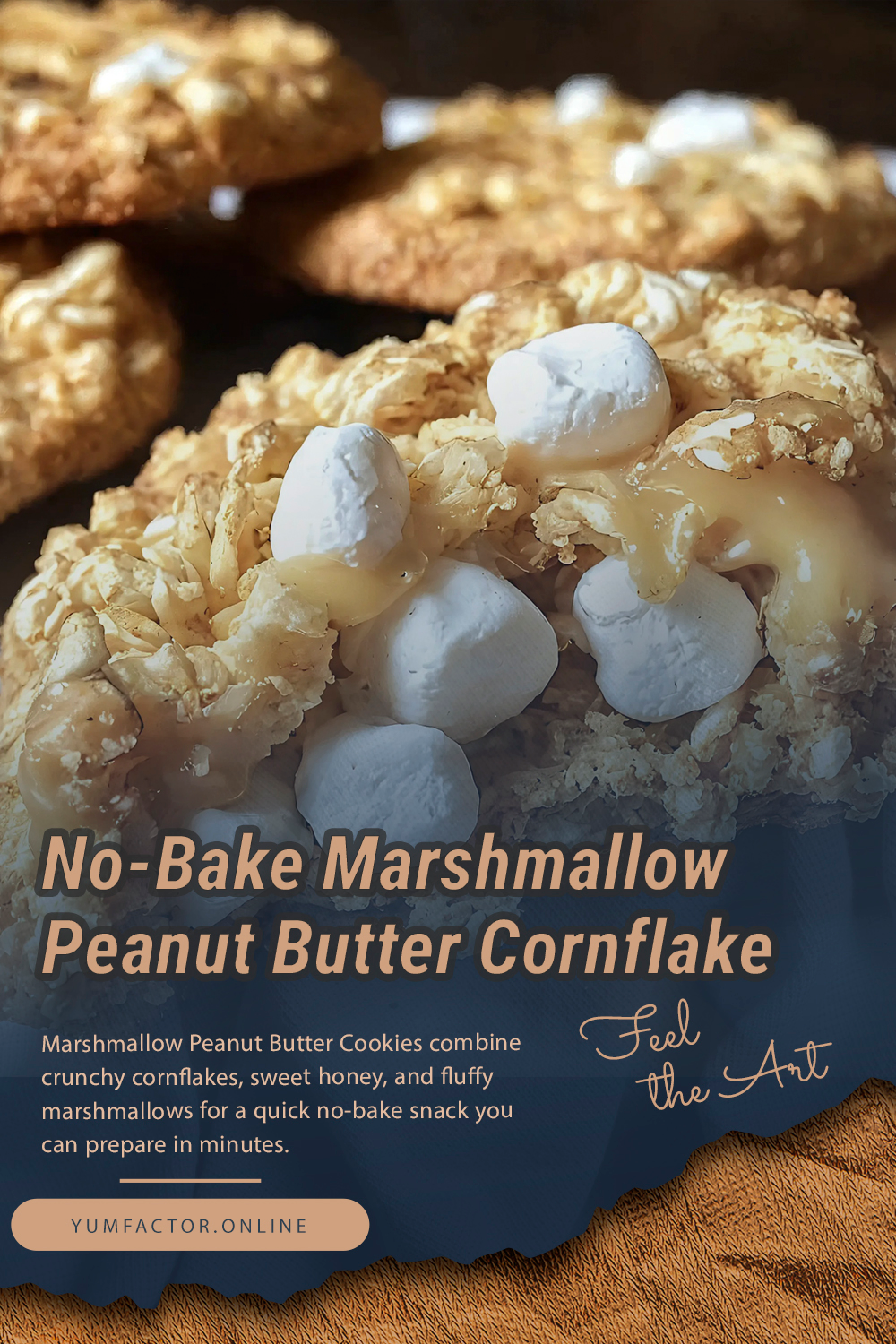
On evenings when the pantry lights flicker and a sudden craving for something sweet and crunchy hits, the kitchen becomes a playground of instant satisfaction. The marshmallow peanut butter cookies answer that call with a puff of airy marshmallow, a buttery peanut embrace, and the satisfying snap of cornflakes—all without ever turning on the oven. These no‑bake treats are perfect for a quick after‑school snack, a spontaneous office desk delight, or a last‑minute addition to a potluck spread.
[tasty-recipe id=”9836″]
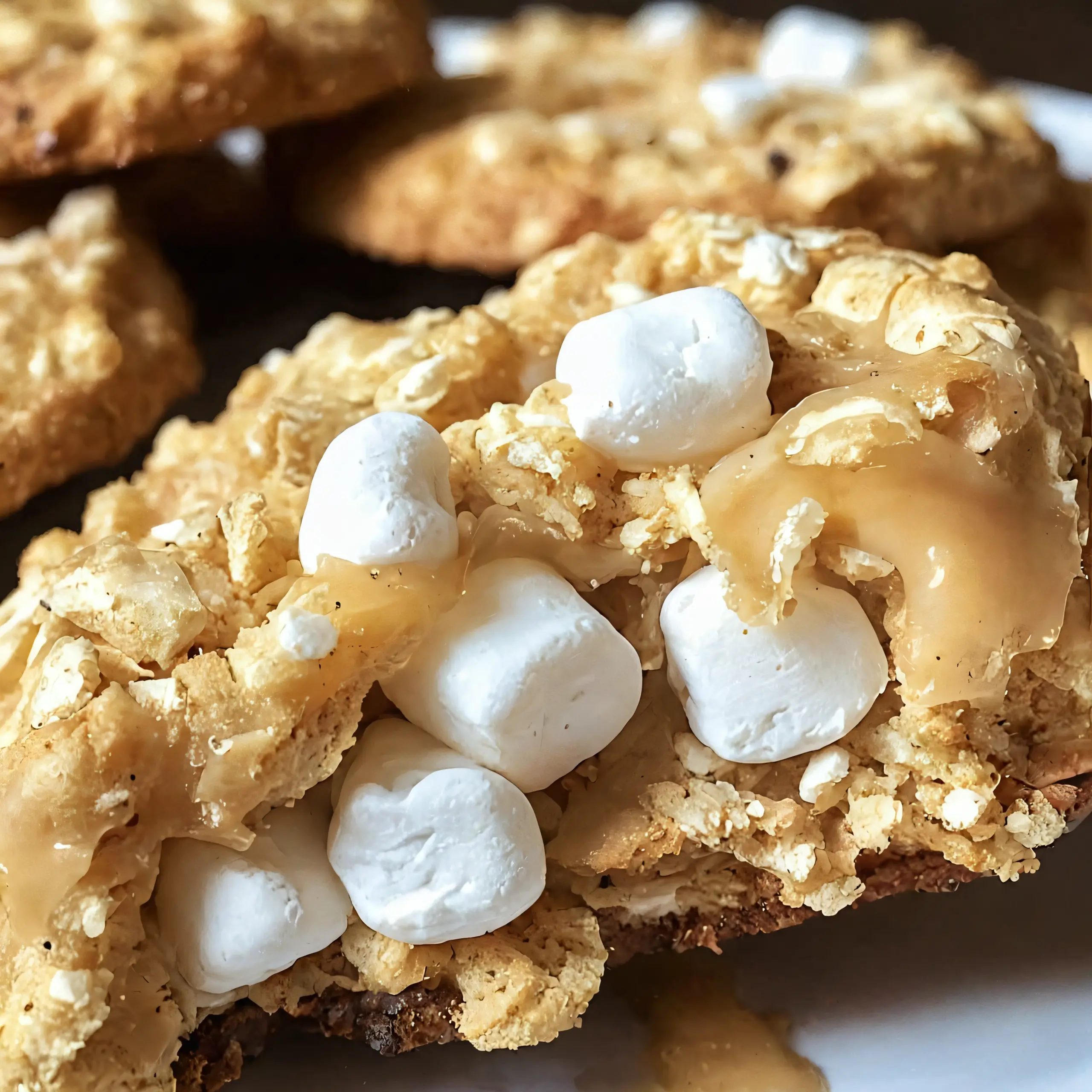
The aroma of melting honey and toasted peanut butter fills the air, while the glossy glaze of toasted cornflakes catches the light like tiny amber jewels. Each bite offers a crisp outer shell that shatters into a soft, gooey center, delivering a contrast that keeps the palate engaged. Whether you’re a beginner who wants confidence in a simple recipe or a seasoned snack‑maker looking for a reliable crowd‑pleaser, this recipe delivers.
Scroll down to the ingredient list and discover how a handful of pantry staples can transform into a blissful, handheld treat.
Ingredients
- 2 cups cornflakes – provides crunch base; substitute with low‑sugar puffed rice for a lighter bite
- 1 cup mini marshmallows – creates airy sweetness; substitute with chopped regular marshmallows for a chewier texture
- 1/2 cup peanut butter – binds ingredients and adds nutty richness; substitute with almond butter or sunflower seed butter for allergy‑friendly version
- 1/4 cup honey – sweetens and helps set the cookie; substitute with maple syrup or agave nectar for a vegan alternative
- 1/2 teaspoon vanilla extract – deepens flavor profile; no substitute needed
This precise combination balances texture, flavor, and binding power, ensuring each cookie holds together while delivering a satisfying crunch‑soft contrast.
Step-by-Step Instructions
Preparation
- Measure all ingredients into separate bowls; the visual of bright cornflakes beside glossy honey sets the stage (Do not skip this step – accurate ratios prevent soggy cookies).
- Line a 9‑inch square baking pan with parchment paper; the paper prevents sticking and makes removal effortless.
Cooking
- Heat a medium saucepan over medium heat (about 150°C / 300°F) and add the honey; watch for gentle bubbling, indicating it’s liquid enough to blend.
- Stir in the peanut butter; continue heating until the mixture becomes a smooth, glossy emulsion that coats the back of a spoon (Do not overheat – scorching creates a bitter aftertaste).
- Remove the pan from heat and immediately fold in the vanilla extract; the scent of vanilla will fill the kitchen, signaling readiness.
- Add the mini marshmallows; the residual heat will melt them partially, creating a stretchy, glossy coating around each piece.
- Quickly stir in the cornflakes; use a wooden spoon to coat every flake without crushing them (If the mixture looks dry, drizzle an extra teaspoon of honey).
Assembly
- Transfer the sticky mixture onto the prepared pan; press gently with a spatula to form an even layer about ½‑inch thick (Do not press too hard – excess pressure makes the cookies dense).
- Allow the slab to cool at room temperature for 15 minutes, then refrigerate for 20 minutes to set the structure.
- Once firm, lift the parchment and cut the slab into squares or rectangles using a sharp knife; wipe the blade between cuts for clean edges.
Serving
- Arrange the cookies on a serving platter; a light dusting of extra mini marshmallows adds visual appeal and a hint of extra chew.
The marshmallow peanut butter cookies are ready when the edges are firm to the touch yet the centers yield slightly under gentle pressure.
Why This Recipe Works
The science behind the perfect no‑bake cookie lies in the balance of sugar, fat, and starch. Honey acts as both sweetener and hygroscopic agent, drawing moisture from the marshmallows and keeping the crumb from drying out. Peanut butter contributes emulsified fat, which coats the cornflakes and creates a barrier that prevents them from absorbing too much moisture, preserving that coveted crunch.
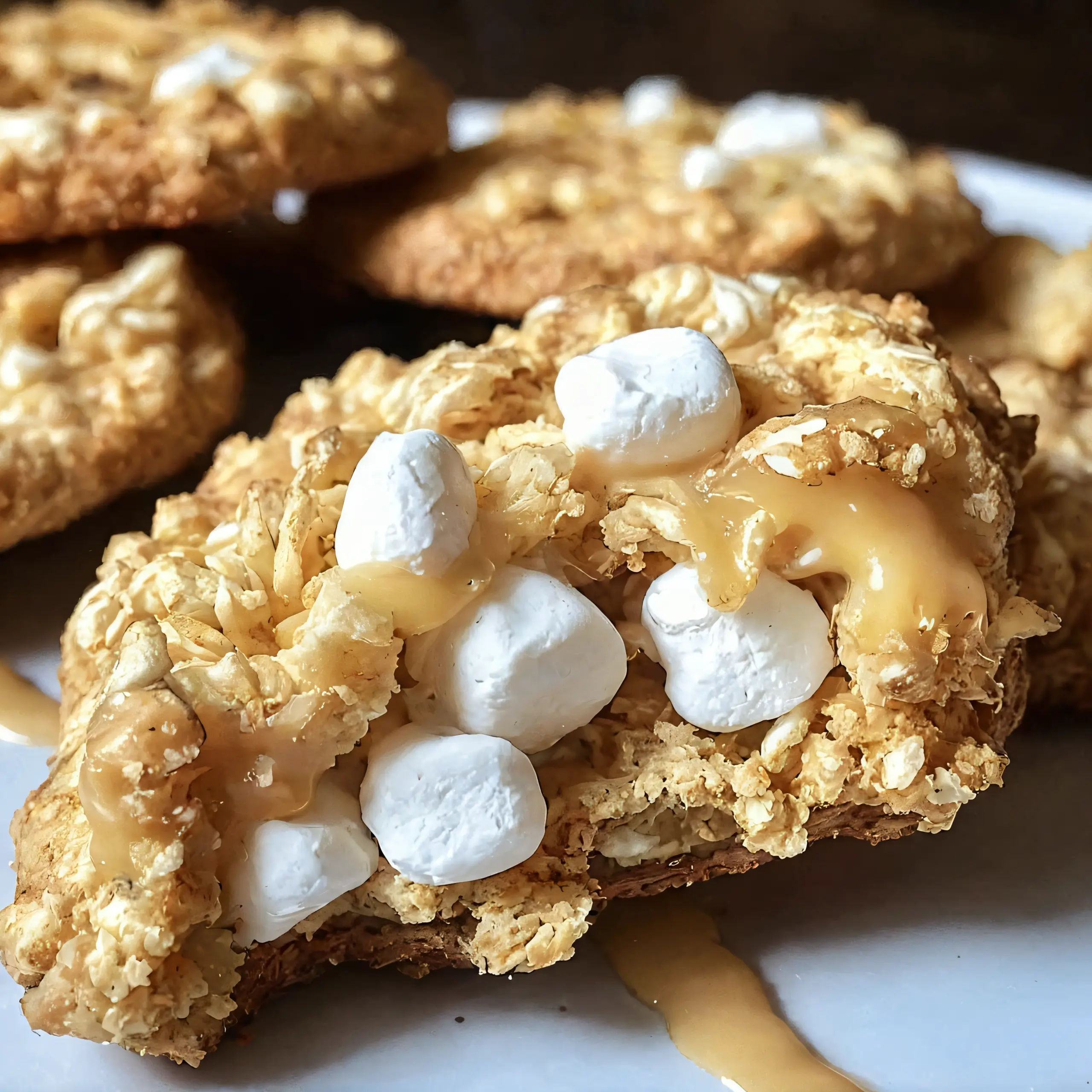
Chilling the mixture after assembly is crucial; the fat in the peanut butter solidifies, locking the cornflakes in place and giving the cookies structural integrity. Skipping the chill results in a softer slab that may crumble when cut. This method also allows the marshmallows to set into a glossy glaze rather than remaining gooey, delivering a consistent texture throughout each bite.
Tips for Reliable Results
- If the mixture feels too sticky to spread, let it sit for a minute; the cornflakes will absorb excess liquid, making it easier to handle.
- Do not overmix once the cornflakes are added; vigorous stirring can crush the flakes, turning the texture from crisp to soggy.
- For a uniform appearance, use a silicone baking mat instead of parchment; the non‑stick surface releases the cookies cleanly and reduces waste.
- Common mistake: using low‑fat peanut butter. It lacks enough oil to bind, resulting in crumbly cookies. Stick to regular creamy peanut butter for best results.
- Equipment note: a heat‑proof silicone spatula helps scrape the bottom of the pan without scratching, ensuring every bit of the honey‑peanut mixture is incorporated.
- Ingredient quality matters: choose a honey with a light amber color for a subtle floral note; dark honey can overpower the delicate marshmallow flavor.
- Make‑ahead: store the cut cookies in an airtight container at room temperature for up to three days. For longer storage, freeze in a single layer and re‑freeze once sealed; they retain texture after thawing.
- Reheat gently (microwave 10 seconds) before serving if the cookies have hardened too much; this revives the soft interior without melting the exterior.
Variations
- Chocolate Drizzle – melt 2 tablespoons of dark chocolate and drizzle over cooled cookies. The chocolate adds a bittersweet contrast and a glossy finish, turning the snack into a mini indulgence.
- Coconut Crunch – replace half of the cornflakes with toasted coconut flakes. This introduces a tropical aroma and a slightly chewy texture that pairs well with the nutty peanut butter.
- Spiced Version – add ¼ teaspoon of ground cinnamon and a pinch of sea salt to the honey‑peanut mixture before folding in the cornflakes. The warm spice deepens flavor complexity and balances the sweetness.
- Vegan Adaptation – use almond butter instead of peanut butter and swap honey for maple syrup. The binding properties remain, while the result stays completely plant‑based, suitable for vegans and those with peanut allergies.
Time and Yield
Prep time: 10 minutes
Cook time: 5 minutes
Cooling/Resting time: 35 minutes
Total time: 50 minutes
Yield: 24 cookies (depending on cutter size)
Frequently Asked Questions
Can I use a different nut butter without changing the texture?
Yes, almond butter or sunflower seed butter work well because they have a similar fat content to peanut butter, which is essential for binding and maintaining the cookie’s chew.
What if the mixture is too dry and the cornflakes don’t stick?
Add an extra teaspoon of honey or a splash of warm water; the additional moisture will help the butter coat the flakes without making the batch soggy.
How long can I store these cookies at room temperature?
In an airtight container, they stay fresh for up to three days. After that, the cornflakes may lose crunch, so refrigeration or freezing is recommended.
Is there a gluten‑free version?
Replace the cornflakes with gluten‑free puffed rice or quinoa flakes; the texture remains similar, and the recipe stays safe for gluten‑intolerant eaters.
Can I make these ahead for a party?
Absolutely. Prepare the slab, chill, cut, and store the cookies in a sealed container. They can be made a day in advance; just bring them to room temperature before serving for optimal texture.
Conclusion
The marshmallow peanut butter cookies succeed because each ingredient plays a specific role, from the honey’s moisture‑locking power to the cornflakes’ crisp structure. Their no‑bake nature makes them adaptable for countless variations, whether you crave chocolate, coconut, or a spice‑infused bite. With the tips and troubleshooting guidance provided, anyone can produce a batch that’s consistently crunchy on the outside and delightfully soft inside—ready to satisfy cravings anytime.