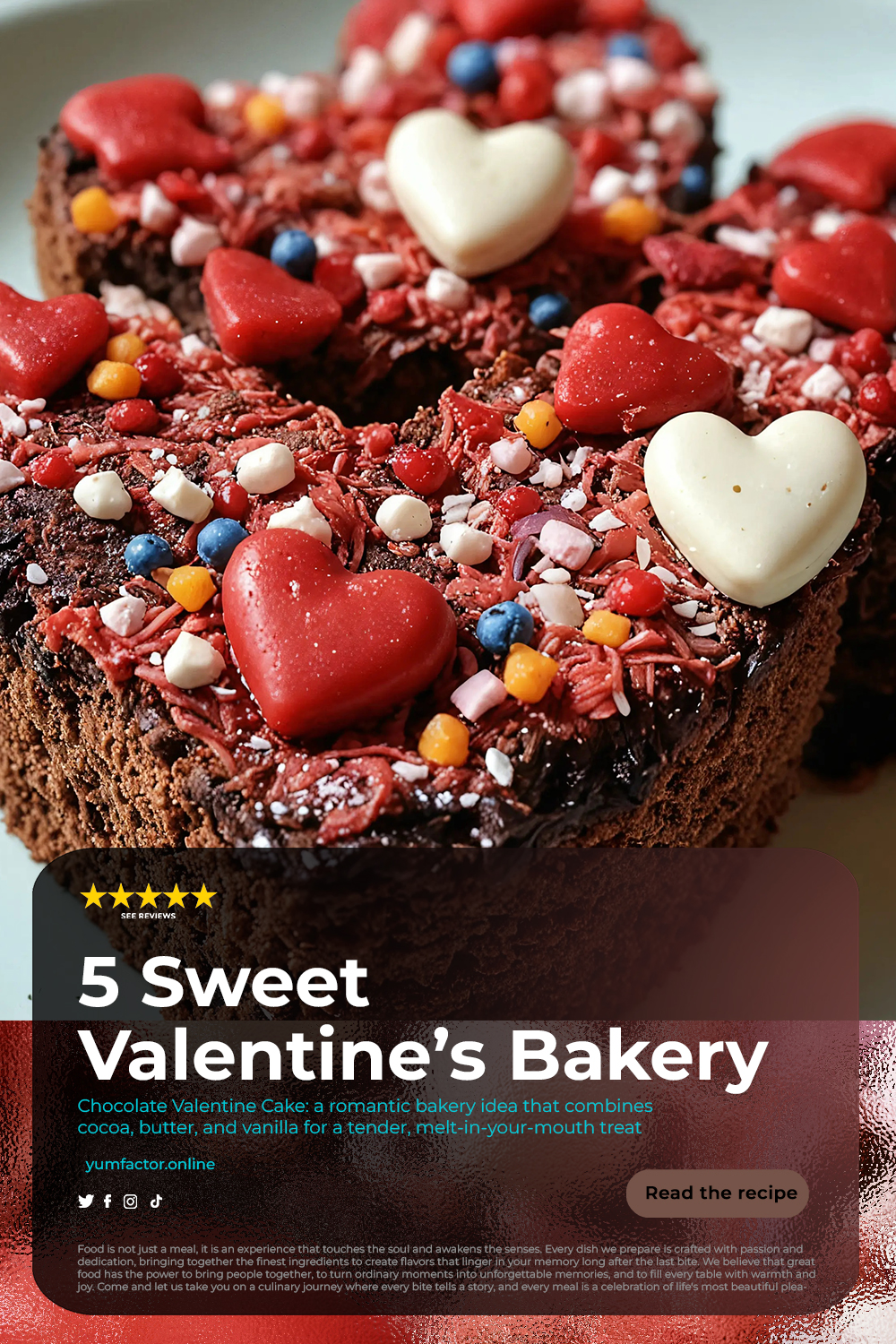
5 Sweet Valentine Bakery Ideas for Baking Together
The kitchen fills with the warm scent of melted butter and cocoa, a sweet promise that the evening will be unforgettable. Couples seeking a cozy, hands‑on activity can create bakery treats that feel indulgent yet stay simple enough for any skill level. Imagine the crackle of a freshly baked cake as it rises, the glossy sheen of a glaze catching the light, and the soft crumb that yields to a gentle press of the fork. This collection works for beginners, busy families, and anyone who wants to share a moment over dough and chocolate. Scroll down to the ingredient list and start shaping the perfect Valentine’s bite.
[tasty-recipe id=”10629″]
Ingredients
- 4 cups All‑purpose flour – builds structure; substitute almond or gluten‑free flour for dietary needs
- 2 cups Granulated sugar – provides sweetness and helps tenderize; substitute coconut sugar for a caramel note
- 1 cup Unsweetened cocoa powder – gives deep chocolate flavor; use Dutch‑process for richer color
- 4 large Eggs – bind moisture and add richness; replace with 4 tbsp flaxseed mixture for vegan version
- 1 cup Unsalted butter, softened – creates a tender crumb; swap with coconut oil for dairy‑free
- 1.5 cups Milk – hydrates dry ingredients; use oat milk for lactose intolerance
- 2 teaspoons Vanilla extract – enhances aroma and depth; use almond extract for a nutty twist
- 2 teaspoons Baking powder – leavens the batter; ensure freshness for maximum rise
- 1 teaspoon Salt – balances sweetness and strengthens gluten
This exact combination yields a moist, tender crumb with a balanced chocolate‑sweet profile that holds its shape for decorative toppings.
Step‑by‑Step Instructions
Preparation
- Heat oven to 175°C / 350°F and position rack in the center.
- Mix flour, cocoa powder, baking powder, and salt in a large bowl; stir until uniformly combined (no streaks of cocoa).
- Cream butter and sugar in a separate bowl until pale and fluffy, about 3 minutes (the mixture should hold a ribbon when lifted).
- Beat in eggs one at a time, scraping the sides after each addition (do not overmix – overdeveloped gluten makes texture tough).
- Stir vanilla extract into the butter‑sugar mixture.
- Gradually add the dry ingredients to the wet mixture, alternating with milk, beginning and ending with dry ingredients; stop mixing when just combined (the batter will be thick but glossy).
Cooking
- Grease a 9‑inch round cake pan, then pour batter in, smoothing the top with a spatula (the surface should be even, not lumpy).
- Bake for 30‑35 minutes, or until a toothpick inserted in the center emerges with a few moist crumbs and the edges pull away from the pan (edges turn deep golden brown).
- Allow the cake to cool in the pan for 10 minutes, then invert onto a wire rack to cool completely (the cake should release easily).
Assembly
- Prepare a simple glaze by whisking ½ cup powdered sugar with 2 tbsp milk and a dash of vanilla until smooth; drizzle over the cooled cake (the glaze should coat but not pool).
- Optionally pipe heart‑shaped buttercream rosettes using a piping bag fitted with a star tip; the frosting should hold its shape without sliding.
Serving
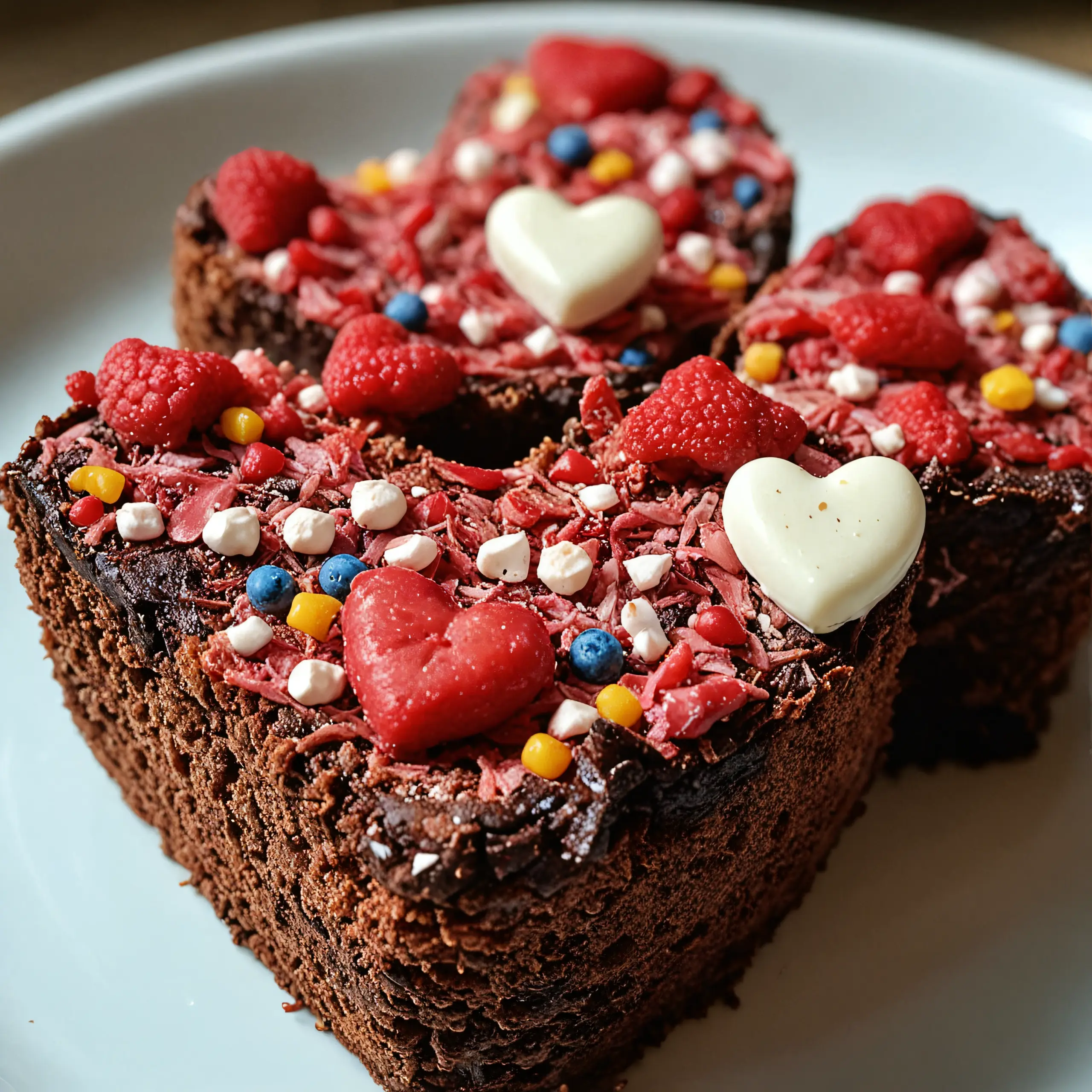
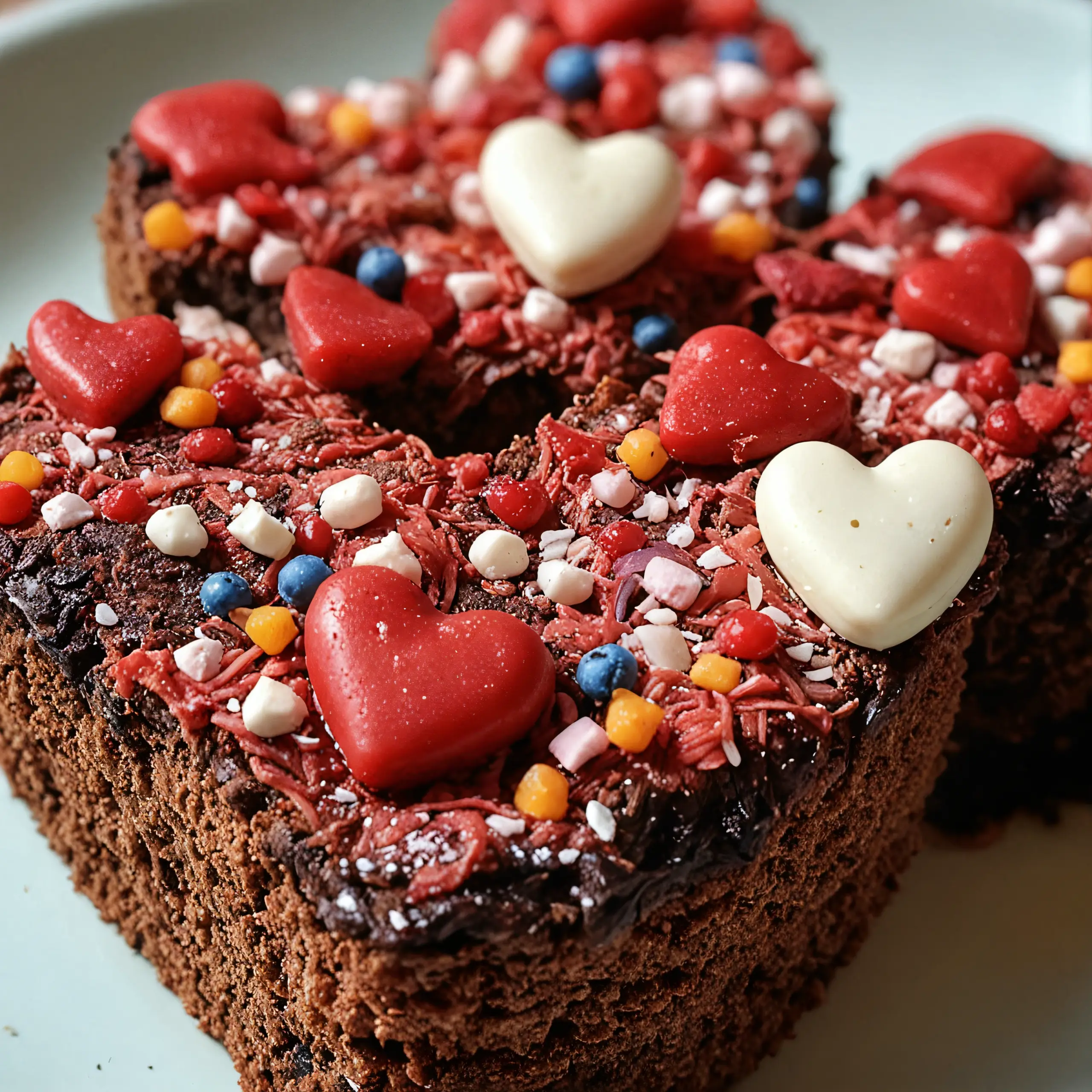
- Slice with a sharp serrated knife, revealing a tender crumb dotted with chocolate specks; serve on a pastel plate with fresh berries for contrast.
The cake is ready when the glaze sets to a glossy sheen and the interior feels springy to the touch.
Why This Recipe Works
Chilling the batter for 15 minutes before baking allows the flour to fully hydrate, resulting in a finer crumb and reduced spreading. The combination of cocoa powder and a modest amount of sugar creates a balanced bitterness that prevents the cake from becoming cloyingly sweet, while the butter’s fat coats gluten strands, limiting excessive gluten development. Baking powder releases carbon dioxide in two stages—once when mixed with liquid and again in the heat—giving the cake a lift without a dense center. Finally, the milk‑based glaze adheres better to a slightly warm surface, sealing in moisture and adding a subtle sheen.
Tips for Reliable Results
- If the batter appears too thick, add an extra tablespoon of milk; too thin will cause the cake to collapse.
- Overmixing after adding flour can make the crumb tough; stop as soon as the batter comes together.
- Use a kitchen scale for butter and flour to improve consistency; measuring cups can vary by up to 15%.
- For a glossy finish, brush the warm cake with a thin layer of melted chocolate before adding the glaze.
- Common mistake: opening the oven door too early. Keep the door closed for the first 20 minutes to maintain steady heat.
- Equipment note: a light-colored metal pan shows browning more accurately than dark non‑stick pans.
- Make‑ahead: bake the cake 24 hours ahead, wrap tightly in foil, and store at room temperature; glaze just before serving.
- Storage: keep leftovers in an airtight container; they stay fresh for up to 4 days or freeze for 2 months.
Variations
- Red Velvet Twist – replace half the cocoa with beetroot puree and add a teaspoon of red food coloring; the crumb stays moist while the color deepens.
- Salted Caramel Drizzle – swap the simple glaze for a caramel sauce finished with flaky sea salt; the salty contrast heightens the chocolate flavor.
- Nutty Crunch – fold ½ cup toasted chopped hazelnuts into the batter before baking; the nuts add texture and a buttery note.
- Vegan Adaptation – use almond flour, coconut oil, flax eggs, and oat milk; the cake remains tender but gains a subtle coconut aroma.
Time and Yield
- Prep time: 20 minutes
- Cook time: 35 minutes
- Cooling time: 15 minutes
- Total time: 1 hour 10 minutes
- Yield: 12 generous slices
Frequently Asked Questions
- Can I use whole‑wheat flour instead of all‑purpose? Yes, substitute up to 50% of the flour with whole‑wheat; the cake will be denser and have a nutty flavor, so increase the milk by 2‑3 tablespoons to maintain moisture.
- Why did my cake sink in the center? Overmixing or opening the oven too early releases steam; mix gently and keep the door closed for the first 20 minutes to prevent collapse.
- How long can the baked cake be frozen? Wrapped tightly, the cake freezes well for up to two months; thaw in the refrigerator overnight before adding glaze.
- Is it safe to substitute dairy‑free butter with margarine? Margarine contains more water, which can affect crumb texture; use a solid coconut oil blend for a more reliable result.
- What unexpected ingredient can add a festive touch? A pinch of ground espresso intensifies chocolate flavor without tasting like coffee, creating a deeper aroma perfect for romantic evenings.
Conclusion
The chocolate Valentine cake shines because the balanced ingredients, precise technique, and simple glaze create a tender, aromatic centerpiece for any romantic gathering. While the base recipe is reliable, the suggested variations invite personal flair, ensuring each couple can craft a memory that tastes as unique as their love. With the steps, tips, and troubleshooting guidance provided, the kitchen becomes a studio for shared creativity, ready to celebrate the season of affection.